
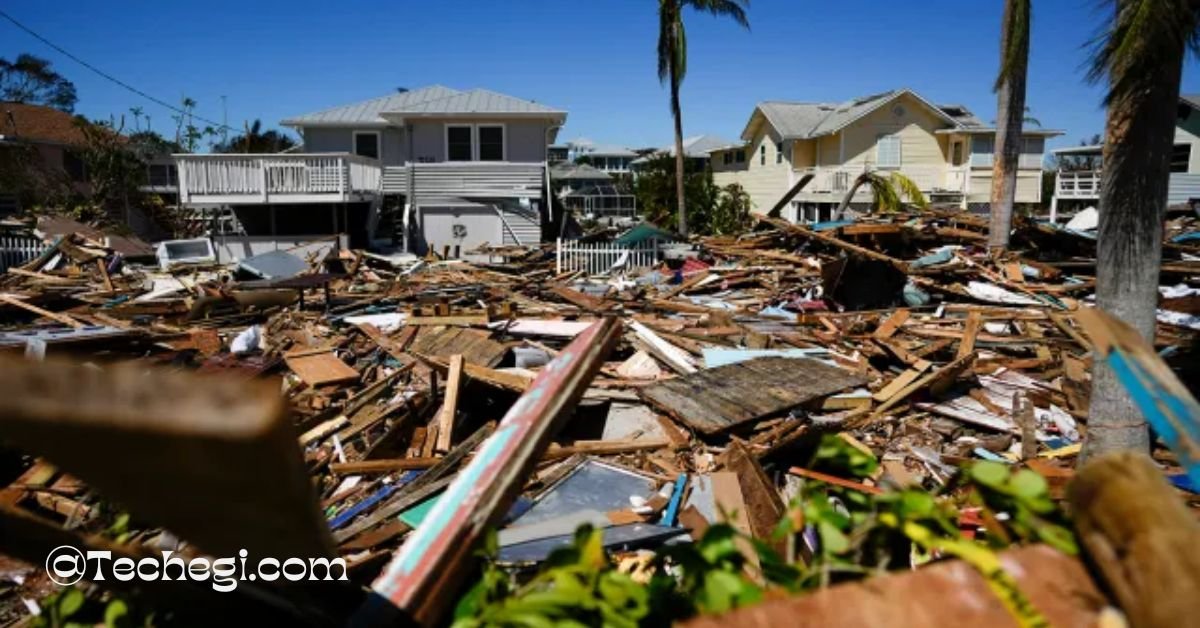
A disaster rarely damages just one thing. What looks like a simple roof puncture or a few inches of water can trigger a domino effect that moves through a building in predictable, and expensive, ways. The hard part is that the most dangerous links in the chain are often the ones you cannot see from the curb. This is why experienced catastrophic response teams treat every event like a connected system problem, not a single repair problem, and when you need that kind of coordinated help fast, contact Vertex. One well-known catastrophic response services overview emphasizes rapid mobilization, thorough documentation, and multidisciplinary expertise because the real job is stopping the cascade before it compounds.
Disaster Damage Rarely Stays in One Lane
The first visible damage is usually not the biggest risk. It is the starting signal for secondary failures that follow gravity, pressure, electricity, and moisture.
The first hour decides whether the problem grows
In the early phase, the priorities are safety, stabilization, and information. If temporary shoring is delayed, a compromised wall can shift. If power stays on in a wet area, a minor leak can become a fire. If water is not extracted quickly, the building starts absorbing it like a sponge.
Fun fact: A single gallon of water weighs about 8.3 pounds, so even “just a little water” adds up fast when it saturates insulation, drywall, and flooring.
Structural Damage Is the Loudest Signal
Structural issues are often the most obvious, but the most misleading. A building can look mostly fine while its load paths have been quietly rerouted.
Load paths and hidden weak spots
Structures are designed to move forces down into the foundation through specific members. When wind, impact, fire, or seismic shaking breaks one part of that path, the load does not disappear, it searches for the next available route. That can overload areas that were never meant to carry that much stress.
Progressive damage and falling hazards
Even if collapse is not likely, small shifts can create dangerous conditions: loosened masonry, cracked connections, sagging roof decks, and ceiling systems that become heavy, unstable panels. Stabilizing these areas early is not just about protecting property, it is about preventing injuries and keeping response crews safe while the real investigation happens.
Utility Systems Are the Quiet Multipliers
Utilities turn a bad day into a complex emergency because they move energy and materials through the building. When their protective barriers are breached, they spread risk quickly.
Electricity plus water is a fast route to fire
Water intrusion into electrical panels, outlets, or equipment can cause arcing and overheating. Even after power is shut off, damaged components can remain unsafe. Restoring electricity too soon can also hide problems, because systems may appear to work while insulation or connectors are slowly failing.
Gas, steam, and pressure lines do not forgive mistakes
Pressure systems are unforgiving after structural shifting. A small displacement can crack joints or strain fittings. That can lead to leaks that are hard to detect until the situation becomes dangerous. Careful isolation, testing, and staged restart procedures matter.
Plumbing and building water systems can contaminate spaces
Broken supply lines and backflow events can introduce contaminants where they do not belong. Even clean water becomes a building problem once it picks up debris, insulation fibers, and dissolved materials from damaged finishes.
Environmental Risk Is the Delayed Aftershock
Environmental hazards are often underestimated because they do not always look dramatic. But they can outlast the headline damage and keep a building unusable long after debris is cleared.
Moisture mapping and microbial growth
Moisture moves in three dimensions: down, sideways, and up through capillary action. Water can travel behind baseboards, under flooring, and into wall cavities where it stays trapped. Professional moisture mapping is how you find the wet zones you cannot see.
Fun fact: Mold can begin growing in as little as 24 to 48 hours in the right conditions, which is why drying and dehumidification are time-critical.
Smoke and soot are not just a smell
After fire events, smoke residues can be corrosive and can embed into porous materials. HVAC systems can distribute particles throughout the building, turning a localized incident into a whole-building air quality and cleaning problem.
Chemical releases and contaminated debris
Floodwater, damaged batteries, spilled fuels, and compromised cleaning or industrial products can create a mixed contamination profile. This affects debris handling, worker protection, and disposal decisions, and it can change what “clean and safe” actually means for re-occupancy.
Why Multidisciplinary Response Stops the Cascade
The most effective catastrophic response models bring multiple specialties together early, rather than handing the site from one trade to the next. That same catastrophic response services overview highlights rapid response, technical accuracy, and the ability to manage high volumes of assignments because disasters rarely arrive one building at a time.
One playbook: document, diagnose, de-risk
A strong team documents conditions with photos and measurements, evaluates structural stability, identifies utility hazards, and assesses environmental exposures in a coordinated way. This reduces contradictory scopes and prevents rework, like drying a space that later gets opened again for structural repairs.
From chaos to clear scope and cost decisions
Owners, insurers, and project teams need defensible answers: what failed, what must be removed, what can be restored, and what the repair path should be. Forensic thinking, paired with practical construction knowledge, turns uncertainty into a plan.
How to Break the Chain Reaction
The goal is not to predict every problem. It is to interrupt the most common pathways that let damage spread.
The first 24 hours: contain, isolate, verify
A short, practical approach helps:
- Secure the structure and restrict access to unstable areas.
- Isolate utilities and confirm shutoffs, do not assume.
- Extract water and start controlled drying with monitoring.
- Document everything before materials are disturbed.
The next 30 days: rebuild smarter, not just faster
Once the site is stable, focus on root causes and resilience. That might mean improving drainage, upgrading roof attachment details, correcting HVAC distribution issues, or adjusting material selections for better moisture tolerance. Disasters expose weak links, and the rebuild is your chance to remove them.
When you view disaster damage as a connected chain, the response becomes clearer. Stabilize the structure, control the utilities, and manage the environmental fallout in one coordinated strategy. That is how you keep a single crack from becoming a full-building crisis.