
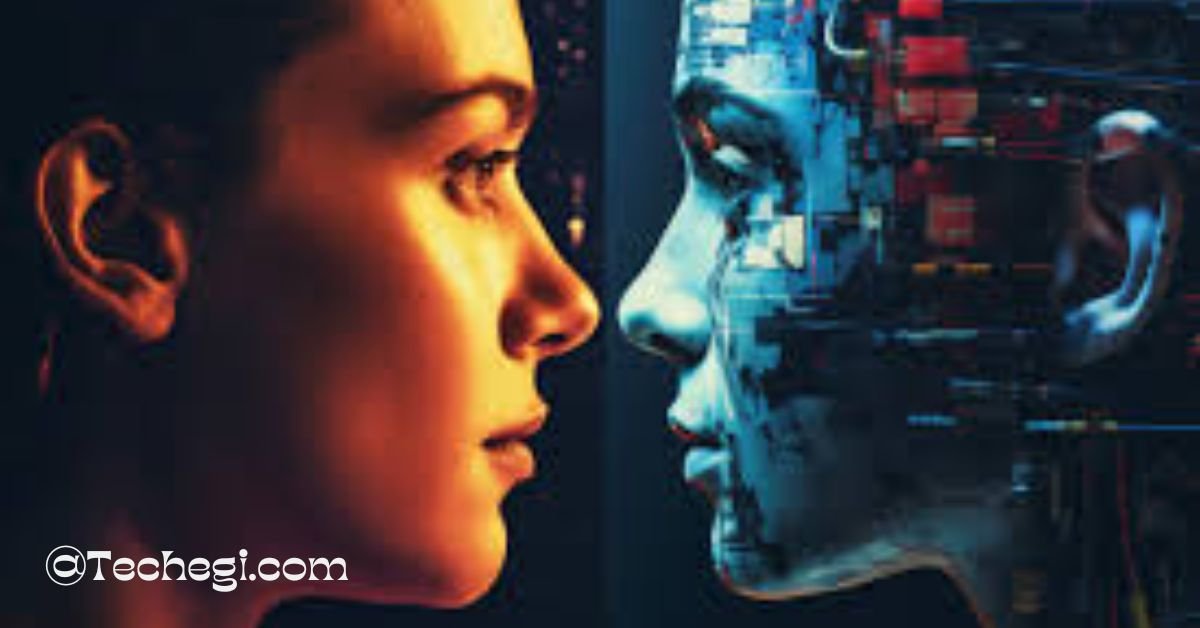
In the past few years, AI technology has surged ahead in leaps and bounds. From chatbots answering our queries to AI-generated art and video, the creative world has witnessed a dramatic shift in how content can be produced. Voiceovers are no exception. AI voice technology has improved to the point where it can mimic human speech with a surprising level of clarity, but despite these advancements, the human voice remains irreplaceable in delivering content that resonates on an emotional level.
I use AI regularly in my own professional life, particularly for data-driven tasks, SEO work, and quick content generation. It’s efficient, accurate, and incredibly helpful. But when it comes to creative projects—especially those that involve storytelling, emotion, or audience connection—AI cannot compete. The difference between a human and an AI voice isn’t just technical; it’s deeply emotional, instinctive, and nuanced.
Even the most advanced AI can generate speech that sounds smooth or technically correct, yet there is a certain intangible quality missing. AI lacks the ability to truly understand context, feel emotion, or intuitively adjust to a live scenario. It cannot empathize or convey subtle inflections that are often the difference between a message that touches hearts and one that simply conveys information. In other words, AI might speak, but it does not connect.
Let’s explore in depth why your audience craves a human voice and why AI, no matter how advanced, cannot provide the authenticity and engagement that only a human can.
Emotional Authenticity
The human voice is inherently emotional. A professional voiceover artist can convey excitement, sadness, humor, empathy, urgency, or hope in ways that AI cannot replicate. When a voice is human, listeners subconsciously pick up on the speaker’s intent and emotional state, creating a stronger bond and engagement.
AI voices, even with advanced modulation and pitch adjustment, lack this subtlety. They may produce clear and precise speech, but it often feels flat or robotic. The emotional nuances—like the slight hesitation before a heartfelt phrase, the warm emphasis on certain words, or the natural rhythm of speech—are things AI struggles to mimic convincingly.
When a message is delivered with genuine emotion, audiences are more likely to remember it, act on it, and feel connected to the brand or story. This connection is why commercials, audiobooks, podcasts, and educational content still rely heavily on human voices. The emotional authenticity of a human voice is not just a nice-to-have—it’s a critical element of effective communication.
Adaptability and Responsiveness
Humans have an extraordinary ability to adapt their delivery in real time. A professional voiceover artist can adjust tone, pacing, and inflection based on the audience, script changes, or client feedback. This flexibility ensures that every piece of content matches the desired mood and communicates the intended message perfectly.
AI, on the other hand, operates within its programming. It can generate speech in various styles or accents, but it lacks the ability to intuitively interpret context, subtlety, or the emotional undertones of a conversation. If a script needs last-minute changes or requires a different emotional emphasis, human voiceover artists can instantly adapt. AI would need to be retrained or reprogrammed, which takes time and effort.
This adaptability is particularly important for live projects, dynamic marketing campaigns, or content that involves storytelling. A human voice can respond to audience cues, improvise when necessary, and bring an authenticity that keeps listeners engaged and connected.
Creativity and Personality
A human voice carries personality. Each voice is unique, shaped by individual experiences, cultural background, and emotional intelligence. Voiceover artists bring creative interpretation to every script, adding subtle nuances, timing adjustments, and expressive inflections that make content memorable and distinctive.
AI lacks this creative intuition. It can reproduce speech patterns and modulate tone, but it does not understand humor, irony, or cultural references in the same way a human does. The resulting voice, while accurate, can feel generic and fail to convey the personality of the brand or storyteller.
Audiences respond to personality. They engage more deeply with content that feels authentic, relatable, and emotionally resonant. This is why human voiceovers remain essential in advertising, narrative-driven content, educational materials, and brand storytelling. The human voice isn’t just a medium; it’s a creative instrument that shapes the audience’s experience.
Cultural Awareness and Sensitivity
Voiceover work is not just about speaking words—it’s about communicating meaning in a way that resonates culturally and contextually. Humans understand subtleties, idioms, and social cues that vary from region to region. A human voiceover artist can adjust their delivery to respect these nuances, ensuring the message is received appropriately.
AI, while capable of producing multiple accents or languages, can misinterpret cultural context. It may deliver a phrase in a technically correct manner but miss the emotional or cultural undertones. This can lead to misunderstandings, a lack of audience engagement, or even offense. Human voice artists inherently understand these subtleties, making their delivery both accurate and culturally appropriate.
In global campaigns, this cultural sensitivity becomes even more critical. A human voice can bridge cultural gaps, creating content that resonates universally while honoring local nuances. AI cannot replicate this innate understanding.
Trust and Relatability
Trust is a cornerstone of effective communication. Listeners are more likely to engage with a voice they feel is authentic and relatable. Human voices convey sincerity and credibility in a way that AI cannot fully emulate.
AI-generated voices, despite improvements, often carry a mechanical tone or slight unnatural cadence that can create subconscious distance between the speaker and the listener. This subtle disconnect can weaken the impact of the message, especially in contexts where trust and empathy are vital, such as healthcare communications, charitable campaigns, or storytelling.
Human voiceovers build rapport, foster emotional connections, and inspire action. Audiences instinctively respond to human emotion, tone, and inflection, which strengthens trust and encourages deeper engagement.
The Limitations of AI Voice Technology
Despite rapid advancements, AI voice technology still faces significant limitations:
- Monotony: Even highly sophisticated AI voices can sound repetitive over time, lacking the natural variation in tone and rhythm found in human speech.
- Contextual Understanding: AI struggles with context beyond the script. It cannot intuitively adjust to audience feedback or changing narrative requirements.
- Emotional Depth: AI can simulate certain emotions but cannot truly feel or convey the subtle complexities of human experience.
- Creativity: AI lacks imagination and cannot bring personal interpretation or unique stylistic touches to a script.
- Cultural Nuance: AI may mispronounce words, misinterpret idioms, or fail to grasp cultural sensitivities.
These limitations make AI a useful tool for certain applications—like automated notifications, e-learning modules, or preliminary drafts—but insufficient for content that relies on emotional connection, storytelling, or brand personality.
Where AI Fits In
It’s important to clarify that AI voice technology isn’t without value. In fact, it can complement human efforts, handle repetitive tasks, and accelerate production timelines. For example, AI can quickly generate multiple versions of a script for testing purposes or provide accessibility features, like screen readers, for users with visual impairments.
The key is to understand the strengths and weaknesses of AI. While AI excels at efficiency and consistency, human voices excel at engagement, emotion, and authenticity. The two can coexist, but the irreplaceable value of human performance should not be underestimated.
Human Voices in Marketing and Storytelling
Consider advertising, narrative podcasts, or branded content. These forms of communication rely heavily on emotional impact and audience connection. A human voice can modulate urgency, excitement, sadness, or humor in ways that compel action and retention.
For example, a campaign about social impact or a charity initiative resonates more deeply when conveyed through a human voice. The subtle inflections and authentic emotion evoke empathy and drive engagement far beyond what AI can achieve.
Similarly, audiobooks, guided meditations, and educational content benefit immensely from human narration. Audiences appreciate the natural pacing, breathing, emphasis, and emotional depth that a human narrator brings to the content.
Final Thoughts
While AI has made remarkable strides, there remains a clear and compelling reason why human voices are indispensable. Emotional authenticity, adaptability, creativity, cultural sensitivity, and trust are qualities that AI cannot fully replicate. Human voiceover artists bring depth, personality, and connection to every project, ensuring that audiences are not only informed but also engaged and inspired.
AI can support, augment, and streamline certain processes, but it cannot replace the human touch. For brands, content creators, educators, and storytellers, investing in human voice talent is not just a choice—it’s a necessity for meaningful communication in a world saturated with content.
In short, your audience craves a human voice because it speaks to something fundamental in all of us: the need to connect, empathize, and feel. AI might mimic sound, but it cannot replicate the heart, soul, and nuance that make human communication powerful.