
Introduction
For many people, owning a home is a lifelong dream; however, not everyone has the financial means to achieve it immediately. Traditional home buying often involves high upfront costs, rigid loan qualifications, and long-term commitments that not everyone is ready for. That’s where rent to own mobile homes come into the picture, offering an alternative path to homeownership that’s more flexible and financially accessible.
A rent-to-own mobile home allows you to lease a manufactured or mobile home with the option to purchase it later. Unlike a typical rental, this arrangement helps you transition from renter to owner over time, often without the need for a large down payment or perfect credit. It’s a practical solution for individuals looking to build equity while enjoying the comfort and independence of a home.
In this comprehensive guide, we’ll explore how mobile homes rent to own work, how they differ from traditional rentals, what legal and financial terms to expect, and where to find these properties. Whether you’re a first-time homebuyer, a budget-conscious family, or someone rebuilding credit, this article will provide all the insights you need to make an informed decision.
What Is a Rent-to-Own Mobile Home?
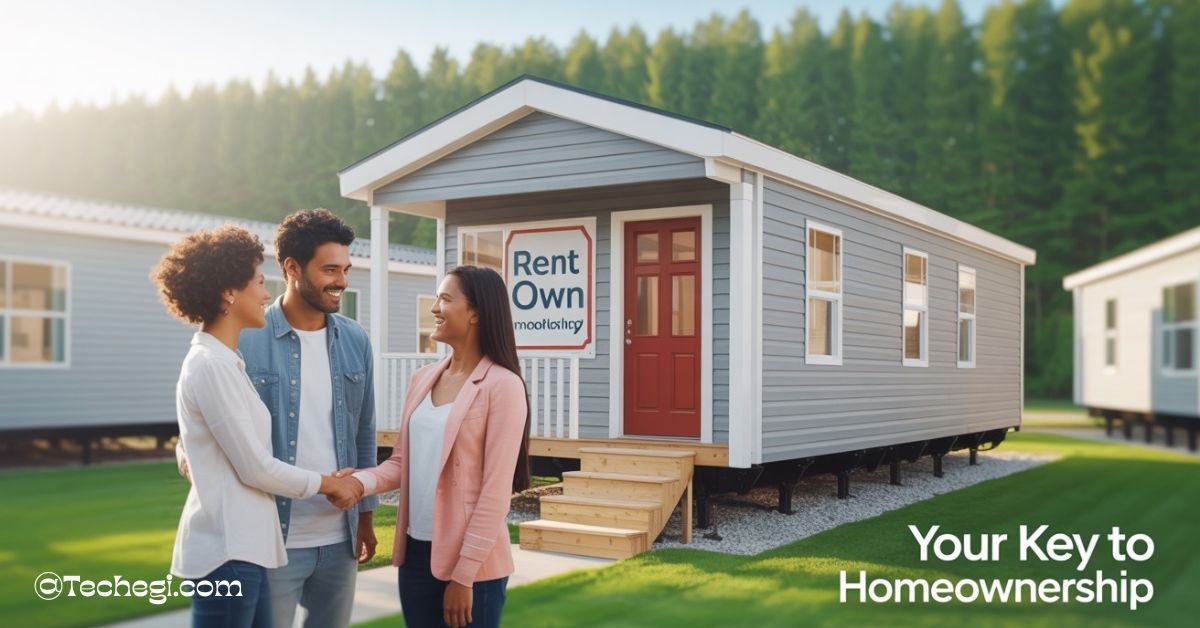
A rent to own mobile home is a housing agreement that blends elements of both renting and buying. In this arrangement, a tenant leases a mobile or manufactured home for a specified period, typically one to five years, with the option to purchase the property at the end of the lease term. Some agreements may also require the tenant to buy the home, depending on the contract’s terms.
The idea is to allow individuals who may not yet qualify for a traditional mortgage—due to credit issues, income constraints, or lack of a down payment—to work their way toward ownership gradually. A portion of each monthly rent payment may go toward the eventual purchase, providing a form of built-in equity for the tenant.
Mobile home rent to own opportunities are usually found in mobile home parks or on private land. They vary in size and style, ranging from small single-wides to larger double-wides or even triple-wides. Since they are often more affordable than site-built homes, they are a popular choice for low- to moderate-income buyers.
Overall, rent to own mobile homes offer a flexible, achievable route to homeownership that eliminates many of the barriers found in traditional real estate transactions.
How Does a Rent-to-Own Agreement Differ from Traditional Renting?
At first glance, mobile homes rent to own by owner may look like standard rental contracts, but several key differences set them apart.
Ownership Pathway
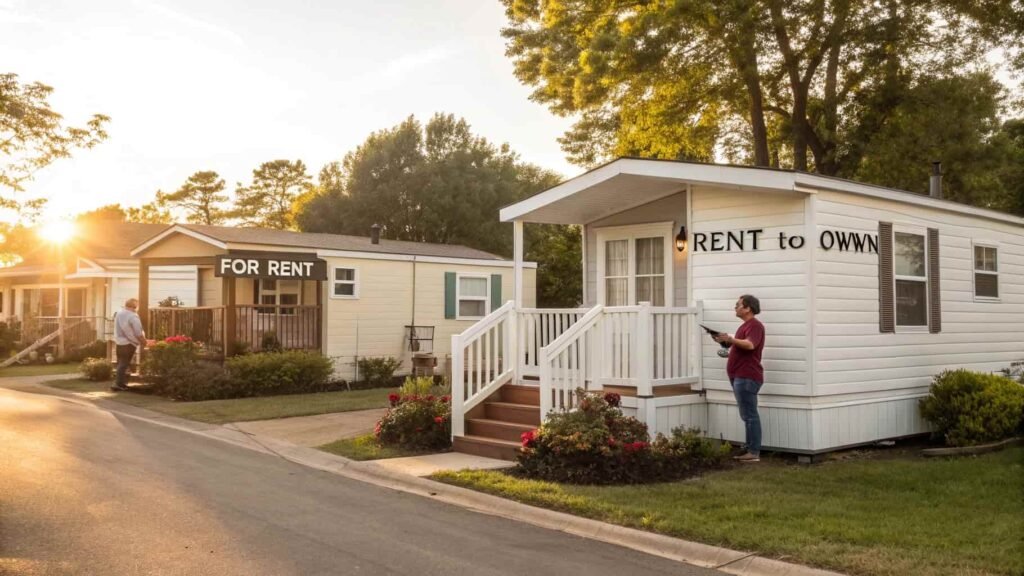
In a traditional rental, your monthly payments go entirely to the landlord, with no ownership benefits. However, with rent to own mobile homes, a portion of your rent may be credited toward the home’s purchase price. This means each payment brings you a step closer to owning the property.
Purchase Option or Obligation
A standard rental ends when the lease expires. In a rent-to-own mobile home agreement, you either have the option to buy the home or, in some cases, are legally required to purchase it at the end of the term.
Financial Commitments
Rent to own mobile homes no credit check options are often more flexible, but they may involve an option fee, slightly higher monthly rent, and specific purchasing conditions. These terms show the renter’s serious interest in buying.
Repairs and Maintenance
In traditional rentals, landlords handle maintenance. In rent-to-own agreements, tenants often take on this responsibility, reflecting their role as future homeowners.
How Long Is a Typical Rent-to-Own Lease Term, and What Happens at the End?
The typical lease term for rent to own mobile homes ranges from one to five years. This time allows the tenant to prepare financially, improve credit, or secure a loan.
What Happens During the Lease Period?
- Monthly rent is paid, sometimes with a portion credited toward purchase.
- The tenant may be responsible for maintenance.
- The renter works on meeting the final purchase conditions.
What Happens at the End?
- Tenant Buys the Home – Uses rent credits and financing.
- Tenant Walks Away – Loses option fee and credits, but has no further obligation (if it’s an option agreement).
- Tenant Is Obligated to Buy – Required to purchase under a lease-purchase agreement.
Clear contractual terms are essential to avoid legal issues later.
Am I Required to Purchase the Home at the End of the Lease?
Whether you must buy depends on your agreement:
Lease-Option Agreement
You have the option to buy, but are not obligated. If you choose not to, you may lose your option fee and rent credits.
Lease-Purchase Agreement
You are legally required to buy the home. Backing out could have financial or legal consequences.
This decision affects your financial freedom, so choose the agreement that best matches your circumstances.
Is the Purchase Price Set at the Beginning or Based on Future Market Value?
This depends on your contract. Here’s a helpful comparison:
| Pricing Model | Set at Start | Based on Market Value |
| Predictability | High – Fixed price offers stability | Low – Subject to market changes |
| Buyer Risk | Lower if prices rise | Higher if the market spikes |
| Seller Risk | Higher if the market surges | Lower Price adjusts accordingly |
| Appeals To | Budget-focused buyers | Buyers expecting price drops |
Some low-income rent-to-own mobile homes deals favor fixed pricing for predictability. Market-based pricing can favor sellers in hot areas like rent to own mobile homes near San Francisco, CA.
What Is an Option Consideration Fee, and How Much Should I Expect to Pay?
An option consideration fee is an upfront payment made in exchange for the right to purchase an asset at a later time. It’s usually non-refundable but may be credited toward the purchase.
Typical Range
Expect to pay between 2.5% and 7% of the home’s price. For example, on a $40,000 unit, the fee might range from $1,000 to $2,800.
This is usually more affordable than a traditional down payment, especially in rent to own mobile homes under $1,000 monthly agreements.
Always confirm in writing whether your fee will be applied to the purchase price.
Do I Need Good Credit or a Down Payment to Qualify?
Rent to own mobile homes no credit check options are available, primarily through individual sellers or flexible landlords. They’re ideal for renters rebuilding their financial standing.
- Credit Requirements: Often more relaxed than traditional loans.
- Down Payment: Usually not needed, but you’ll pay an option fee instead.
Mobile homes rent to own appeal to buyers who want to bypass strict loan qualifications while working toward ownership.
Who Is Responsible for Maintenance, and Can I Make Upgrades During the Lease?
Maintenance Responsibilities
Tenants are often responsible for:
- Minor repairs (plumbing, appliances, etc.)
- Seasonal maintenance (yard care, HVAC checks)
Landlords may handle large-scale structural issues.
Upgrades and Customization
You can make upgrades, especially if you plan to buy. Just ensure:
- Written permission for significant changes
- Documentation of improvements
Rent to own mobile homes near me sometimes offer more upgrade flexibility when rented from individual owners.
What Happens If I Choose Not to Buy the Home After the Lease Ends?

In lease-option setups, you can walk away without legal obligation. However, you may lose:
- The option consideration fee
- Any rent credits built up
- The value of the improvements you made
But you keep:
- Your credit score intact (if rent was paid on time)
- The experience and stability gained
Rent to own mobile homes near me under $1,000 offer lower-risk entry points if you’re unsure about a long-term commitment.
Where Can I Find Rent-to-Own Mobile Home Listings, and How Common Are They?
You can search for rent to own mobile homes in California, Texas, Florida, and other popular states on:
- MHVillage.com – With “Rent to Own” filters
- Craigslist & Facebook Marketplace – Local seller listings
- Mobile home parks – Ask about in-park rent-to-own opportunities
Although still a niche market, rent to own mobile homes near San Francisco, CA and other urban areas are becoming more common due to rising rental costs and limited affordable housing.
FAQ’s
1. Can you rent-to-buy a mobile home?
Yes, many mobile homes are available through rent-to-own agreements, allowing you to lease the house with the option to purchase it later.
2. Is rent-to-own a good idea for a trailer?
It can be a great option if you have limited credit or savings, as it lets you build equity while living in the home.
3. What is the minimum credit score for a mobile home?
Traditional financing often requires a credit score of 580–620, but rent-to-own mobile homes no credit check options from some sellers.
4. How much is the monthly rent for a mobile home?
Monthly rent varies by location, size, and condition, but many start as low as $500 to $1,000, especially for rent to own mobile homes under $1,000.
5. Can I find rent-to-own mobile homes from private sellers?
Yes, mobile homes rent to own by owner are often available and may have more flexible terms than park-owned or corporate rentals.
6. Do rent-to-own mobile homes come fully furnished?
Some do, especially in vacation areas or senior parks. Always check the inventory list before signing.
7. Are utilities included in rent-to-own agreements?
Usually not. You’re typically responsible for all utility bills, just like a homeowner.
8. Can I refinance once I purchase the home?
Yes. After purchase, you can apply for mobile home financing or refinancing through a bank or credit union.
9. Are there community restrictions in mobile home parks?
Yes. Many parks have rules regarding pets, guests, noise, and yard upkeep—review park regulations before signing your lease.
Conclusion
Rent to own mobile homes offer a practical, flexible path to homeownership, especially for those with limited credit or savings. These agreements allow you to live in the house while working toward purchase, often with affordable upfront costs and the opportunity to build equity.
Whether you’re looking for rent to own mobile homes under $1,000, options with no credit check, or homes near San Francisco or in California, the market has something for every budget and goal.
With the proper planning and clear understanding of your agreement, mobile homes rent to own can turn your dream of owning a home into reality.
Also read:
- Florida Mobile Axe Throwing Miami Trailer Guide!
- Mobile Cars: Driving the Future of Smart Mobility!
- Mode Mobile Stock: Symbol, Price & IPO Forecast 2025!