
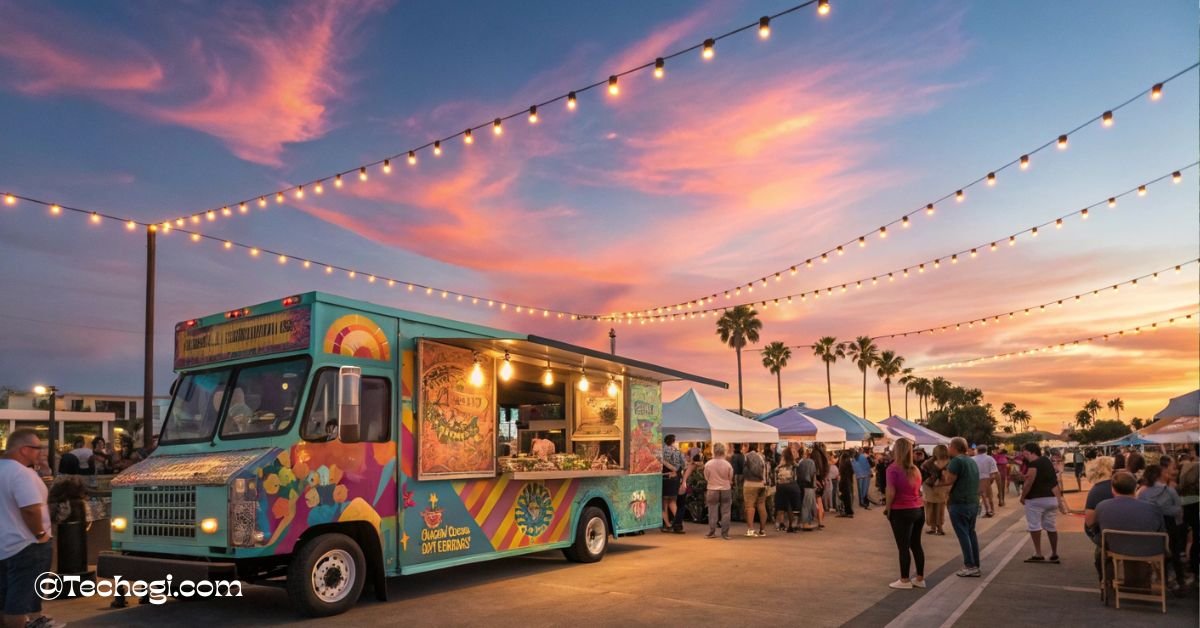
A mobile taco truck is a fully equipped food vehicle that brings delicious, authentic tacos directly to customers wherever they are. Popular for its convenience, affordability, and vibrant street food culture, it offers entrepreneurs a flexible way to serve fresh Mexican cuisine. Whether you’re hunting for a mobile taco truck near you or planning to start one, these trucks blend great food with mobility and community connection.
Stay tuned with us as we dive deep into everything about mobile taco trucks—from how to start your own business to finding the best trucks near you!
What Is a Mobile Taco Truck and Why Are They So Popular?
A mobile taco truck is a vehicle equipped with kitchen facilities that allows vendors to prepare and sell tacos on the move or at various locations. Unlike fixed restaurants, these trucks can relocate based on demand, events, and optimal foot traffic.
Mobile taco trucks are popular for several reasons. First, they bring authentic Mexican cuisine directly to customers, often offering unique regional recipes that are hard to find in traditional eateries. Second, their convenience appeals to busy people who want quick, delicious meals without sacrificing quality. Lastly, the food truck culture itself has grown into a vibrant social scene, with festivals, markets, and street fairs celebrating diverse cuisines.
If you’re wondering, “How can I find a mobile taco truck near me?”—social media platforms, food truck locator apps, and local event listings are great resources. Many trucks announce their daily or weekly locations, making it easy to follow your favorite mobile taco trucks wherever they go.
What Are the Benefits of Starting a Mobile Taco Truck Business?
One of the most significant advantages of starting a mobile taco truck business is affordability. Compared to opening a full-scale restaurant, the initial investment is significantly lower. By saving on rent, utilities, and staffing costs, the business becomes more accessible to first-time entrepreneurs or those with limited capital.
Mobility is another significant benefit. The ability to move your truck allows you to target various neighborhoods, office parks, festivals, and private events, thereby maximizing your customer base. This flexibility will enable you to test multiple locations and menu items with less risk.
Mobile taco trucks also offer great opportunities for community engagement. Whether serving at a local farmers’ market, sponsoring a charity event, or participating in food truck festivals, these trucks become a vibrant part of local culture. They help you build loyal customer relationships and benefit from word-of-mouth marketing.
How Do I Start a Mobile Taco Truck Business?
Starting a mobile taco truck business requires careful research and planning. Begin by analyzing your local market and competition to identify gaps or unmet customer demands. Look for popular taco styles and customer preferences to tailor your offerings.
When choosing your truck, consider the differences between a food truck, a trailer, or a smaller taco cart. Each has its advantages in terms of mobility, kitchen space, and cost. If buying a car is out of budget, consider renting a mobile taco truck as a viable option to test your concept quickly.
Licenses and permits are essential. Depending on your city or state, you’ll need health permits, food handler certifications, parking permits, and possibly a mobile vendor license. Contact your local health department to understand the exact requirements.
Budgeting includes truck purchase or rental, kitchen equipment, ingredients, permits, marketing, and staff wages if applicable. Creating a detailed business plan helps attract investors or loans.
Finally, focus on your truck design and menu presentation. A vibrant, eye-catching truck with clear branding attracts customers, and a well-organized kitchen setup ensures efficient service during busy hours.
What Should Be on a Mobile Taco Truck Menu?
The menu is the heart of any food business, and your mobile taco truck is no exception. Classic taco varieties like carne asada, al pastor, and carnitas are always crowd-pleasers. Offering vegetarian and vegan options, such as grilled veggies, mushrooms, or tofu-based tacos, can widen your customer base and appeal to health-conscious diners.
Specialty or fusion tacos—like Korean BBQ tacos, shrimp tacos with tropical salsa, or breakfast tacos—help differentiate your truck from competitors. Including sides like chips with homemade salsa, elote (Mexican street corn), or rice and beans rounds out the meal.
Seasonal ingredients can keep your menu fresh and exciting. Using locally sourced produce not only enhances flavor but also supports local farmers and appeals to environmentally conscious customers.
For inspiration, consider popular mobile taco trucks like Front Yard Tacos. Their menu includes a mix of traditional and inventive tacos, which demonstrates the importance of balancing classic favorites with unique options.
What Are Some Popular Mobile Taco Trucks and Regional Examples?
Particular mobile taco trucks have made a name for themselves regionally and nationally. For instance, La Taqueria Food Truck in Mobile, AL, is celebrated for its authentic recipes and vibrant flavors that capture the essence of Mexican street food. Similarly, Front Yard Tacos in Mobile, AL, has become a local favorite thanks to its diverse menu and strong community presence.
Regional taco trucks influence broader industry trends by showcasing local tastes and innovative recipes. Studying these successful trucks offers valuable lessons on customer preferences and marketing strategies.
How Can I Market My Mobile Taco Truck Effectively?
Building a strong brand identity is crucial. Your truck’s name, logo, and overall aesthetic should communicate your unique style and cuisine. Effective branding attracts customers and builds loyalty.
Social media platforms like Instagram, Facebook, and TikTok are potent tools to showcase your food, announce locations, and engage with customers. Posting high-quality photos, stories, and behind-the-scenes content helps grow your audience.
Participating in local events and festivals increases your exposure and introduces your truck to new customers. Consider loyalty programs or special discounts to encourage repeat visits.
Collaborations with local breweries, businesses, or other food trucks can expand your reach and create mutually beneficial partnerships.
What Challenges Will I Face Running a Mobile Taco Truck?
Running a mobile taco truck comes with its own set of challenges. Weather and seasonal changes can affect customer turnout and your operating schedule. It’s essential to plan for indoor events or adjust hours during colder months.
Maintaining food quality and safety while cooking on the move requires strict hygiene practices and efficient kitchen workflows.
Inventory management can be tricky, as limited storage space means you must carefully forecast demand to avoid waste or shortages.
Parking restrictions and permits can vary widely by location. Staying compliant with local laws is vital to avoid fines or forced relocations.
Lastly, competition is fierce, especially in urban areas with many food trucks. Differentiating your menu, service, and brand is essential to stand out.
Who Are Some Successful Mobile Taco Truck Owners and What Can I Learn From Them?
Many successful mobile taco truck owners share common strategies: a focus on authentic, high-quality food; excellent customer service; and creative marketing. For example, owners of Front Yard Tacos Mobile, AL, built their brand by engaging deeply with the local community and continuously innovating their menu.
Learning from these entrepreneurs, you can understand the importance of adapting to customer feedback, building a loyal following, and creating a memorable experience beyond just food.
What Are the Future Trends in the Mobile Taco Truck Industry?
Eco-friendly practices are gaining momentum, with trucks adopting solar panels, biodegradable packaging, and locally sourced ingredients to reduce their carbon footprint.
Technology is also revolutionizing the industry, with apps enabling online ordering, GPS tracking, and contactless payments, making the customer experience smoother.
Mobile taco trucks are increasingly expanding into catering and franchise models, offering scalable growth opportunities.
The rise of gourmet and fusion taco trucks reflects changing consumer tastes, blending traditional flavors with innovative culinary influences.
Why Is Starting a Mobile Taco Truck a Great Business Opportunity?
Starting a mobile taco truck combines relatively low startup costs with high earning potential and flexibility. It allows you to bring authentic food to diverse communities, test creative menu ideas, and build a loyal customer base with less risk than a traditional restaurant.
If you’re passionate about food and entrepreneurship, the mobile taco truck industry offers exciting growth opportunities in a booming market.
FAQ’s
Q1: How much does a taco truck make per day?
The daily revenue of a mobile taco truck varies widely based on location, menu pricing, and customer volume. On average, a successful taco truck can make anywhere from $500 to $2,000 per day. Profits depend on managing costs like ingredients, labor, permits, and fuel.
Q2: How many food trucks are needed to serve 100 people?
Typically, one well-stocked food truck can serve about 100 to 150 people during an event, depending on the speed of service and menu complexity. For larger crowds or shorter service windows, multiple trucks may be necessary to avoid long wait times.
Q3: Do you pay rent for a food truck?
If you own the food truck, you usually don’t pay rent for the vehicle itself but may pay fees for parking or vending spots. If you rent a food truck, there will be a rental fee. Additionally, some cities charge fees for operating in specific locations.
Q4: How much does a taco truck cost compared to a restaurant?
Starting a taco truck typically costs between $50,000 and $150,000, including the vehicle, kitchen equipment, and permits. In contrast, opening a brick-and-mortar restaurant can cost several hundred thousand dollars due to rent, renovations, and larger staff requirements. This makes taco trucks a more affordable option for many entrepreneurs.
Q5: How can I keep my mobile taco truck eco-friendly?
Use biodegradable packaging, source local ingredients, reduce food waste, and consider solar power or energy-efficient equipment.
Conclusion:
The mobile taco truck industry offers an exciting blend of culture, convenience, and entrepreneurial opportunity. By understanding what makes these trucks popular, learning how to start and run one, and staying ahead of trends, you can build a successful food business that satisfies hungry customers and fuels your passion. Whether you’re searching for the best mobile taco truck near you or dreaming of launching your own, this guide equips you with the essential knowledge to take the next step.
Also read: