
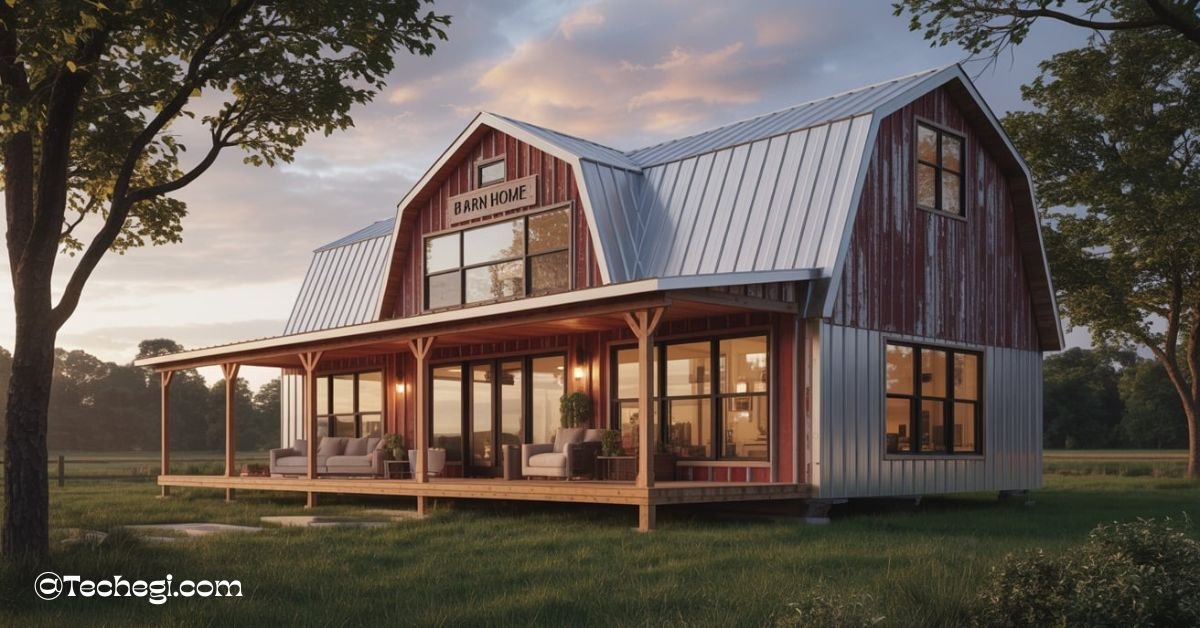
Introduction: What Is a Barndominium Mobile Home?
In recent years, the idea of a barndominium mobile home has captured the imagination of homeowners, DIY enthusiasts, and people searching for affordable housing alternatives. A barndominium, often shortened to “barndo,” is traditionally a barn-style structure converted into a comfortable home, often blending rustic charm with modern amenities. When combined with the mobility and modular nature of a manufactured or mobile home, this concept creates a flexible living solution that is both cost-effective and highly customizable.
The origin of barndominiums dates back to the late 20th century when agricultural structures were repurposed into residences. The term itself gained popularity in the United States thanks to creative developers and home-design shows. Today, barndominiums are no longer just makeshift barns converted into homes—they are thoughtfully designed structures built from scratch, often with metal exteriors, open-concept interiors, and layouts that accommodate modern living needs.
When adapted into a mobile or modular format, the barndominium mobile home offers the added advantage of affordability, speed of construction, and versatility. This makes it a popular option for families, retirees, and even young couples starting out. Whether you want a spacious open-plan residence with a workshop or a small off-grid cabin that can be placed on rural land, this hybrid style has quickly become a symbol of smart, practical living.
Benefits of Choosing a Barndominium Mobile Home
The appeal of a barndominium mobile home lies in its combination of practicality, style, and efficiency. Compared to traditional houses or even conventional mobile homes, this type of dwelling offers a unique set of advantages that cater to a wide variety of lifestyles.
One of the biggest benefits is affordability. Because barndominiums often use prefabricated steel or pole-barn construction methods, the cost per square foot can be significantly lower than that of a stick-built home. When integrated into a mobile or modular framework, the savings are even greater because much of the construction work can be done off-site and assembled quickly on location. This reduces labor expenses and shortens build times dramatically, making it possible to move in within months instead of years.
Another notable advantage is flexibility in design. Unlike conventional mobile homes that may come with restrictive layouts, barndominiums feature open floor plans with large interior spaces that can be customized to personal needs. Families might choose to add extra bedrooms or loft spaces, while individuals working from home may prefer to incorporate office areas or workshops. The possibilities are nearly endless, and this flexibility is part of what makes the barndominium concept so attractive.
Durability is another strength. With steel framing, metal siding, and energy-efficient insulation, these homes often stand up better to weather conditions than traditional wood-framed houses. Maintenance requirements are also lower, as metal exteriors resist pests and rot.
For those who enjoy hands-on projects, barndominium mobile homes can be built using DIY kits. These kits allow homeowners to assemble the frame and shell with relative ease, while still hiring professionals for plumbing, wiring, or finishing. This hybrid DIY approach can lower overall costs.
Finally, many barndominiums incorporate built-in workshops or large garage spaces, which is especially appealing for hobbyists, mechanics, and entrepreneurs who want to combine living and working spaces under one roof.
Potential Drawbacks to Know
While a barndominium mobile home offers many appealing features, it is important to recognize the challenges that come with this type of housing. One of the most common obstacles is navigating building permits and zoning laws. Because barndominiums are still considered unconventional in many areas, local authorities may not have clear guidelines for approving them. This can delay projects or limit where such homes can be placed.
Financing is another potential hurdle. Traditional mortgage lenders often hesitate to fund barndominiums because they don’t fit neatly into standard home categories. Mobile homes already face stricter lending requirements, and combining the two concepts can make it more difficult to secure financing. Some owners choose to pay in cash or seek specialized lenders, but this requires careful financial planning.
Another drawback relates to style limitations. While open spaces and metal exteriors are part of the charm, some homeowners may prefer the look of conventional houses. Although customization can address some of these concerns, not everyone finds the barndominium aesthetic appealing. For those looking to maximize resale value, it’s important to consider whether future buyers in your region would be interested in this type of home.
Additionally, barndominiums require careful design and planning. Insulation, wiring, and plumbing all need to be adapted to the structure’s steel or pole-barn frame. Without proper planning, energy efficiency or comfort may suffer. For mobile versions, additional consideration must be given to weight distribution, anchoring, and transportation logistics.
While these drawbacks are not insurmountable, they highlight the importance of researching local laws, budgeting realistically, and working with experienced contractors or kit suppliers.
Design Features & Floor Plan Ideas
The design of a barndominium mobile home can be as simple or as elaborate as your budget and vision allow. The most common feature across all barndominiums is an open-concept interior that eliminates unnecessary walls, allowing natural light to flow throughout the home. This open space can then be customized with lofts, sliding barn doors, or partition walls to suit the household’s needs.
Workshop and garage integration is a defining element. Many barndominium designs include oversized garage doors and wide bays that can serve as workshops, storage for farm equipment, or even a home business. By combining living and working areas, these homes provide unmatched functionality for owners with active lifestyles.
Vaulted ceilings are another popular feature, giving the interior a spacious, airy feel. High ceilings can also accommodate loft areas for extra sleeping space or storage. Lofts are especially common in smaller barndominiums where efficient use of vertical space maximizes comfort.
Outdoor living features such as porches, patios, and wraparound decks are frequently included as well. These additions extend living space and connect the rustic barn style with nature. For families living in rural areas, wide porches are practical for enjoying views while providing shade and shelter.
Examples of popular sizes vary greatly. Tiny barndominiums can be built for less than 400 square feet, making them ideal for off-grid living or vacation retreats. Medium-sized models between 1,000 and 2,000 square feet offer comfortable living for small families, while large models exceeding 3,000 square feet can rival traditional suburban houses in space and luxury.
The versatility of these designs ensures that a barndominium mobile home can be tailored to nearly any lifestyle—from minimalist single occupants to large families seeking a multi-functional residence.
Real-World Case Studies
To better understand the appeal of barndominium mobile homes, it helps to look at real-world examples. Across North America, families and individuals have successfully built these homes to match their budgets and lifestyles.
One well-publicized story is that of Morgan and Cole, a Canadian couple who transitioned from a mobile home into a full barndominium. Their structure measured an impressive 65 by 92 feet and featured soaring 20-foot ceilings. The home included a large workshop, an open-concept living room, and a loft for additional space. Despite its size, the couple was able to complete the build in under a year, demonstrating the speed and efficiency possible with this type of construction.
In contrast, a Michigan couple chose a smaller approach by building a 350-square-foot off-grid barndominium. The cost came in around $14,700, making it a highly affordable housing solution. The tiny home included a pole-barn style exterior, steel walls, and a compact interior that maximized efficiency. This project highlighted how barndominiums can be scaled down to create cost-effective retreats or permanent residences.
Another example comes from Virginia, where a family built a 40-by-80-foot barndominium with an attached 40-by-40 garage. The cost was around $360,000, not including the land, and the home featured high ceilings, multiple bedrooms, and plenty of storage. This case study illustrates how larger barndominiums can rival traditional homes in both comfort and aesthetics.
Finally, some homeowners choose a kit-based approach. For example, one family purchased a $26,500 barndominium kit measuring 30 by 40 feet. By assembling much of the structure themselves, they reduced labor costs while still creating a fully functional home with a kitchen, bedrooms, and bathrooms. Kits like these provide an accessible entry point for those who want the benefits of a barndominium without the complexity of designing from scratch.
These case studies demonstrate the wide range of possibilities—from small, budget-friendly builds to large, luxurious family homes.
Cost Breakdown & Budget Planning
The cost of a barndominium mobile home can vary dramatically based on size, design, location, and materials. On average, many builds fall within the $120 to $150 per square foot range, though smaller DIY projects can be completed for much less. Some regions, particularly in the southern United States, report costs under $100 per square foot due to lower labor and material expenses.
A mid-sized barndominium might cost around $230,000, which is often less than a comparable traditional home. Larger custom builds can exceed $350,000, while tiny off-grid models may be completed for under $20,000. The wide cost range highlights the flexibility of this housing option.
Hidden costs should always be considered. Land acquisition is often the biggest additional expense, followed by site preparation such as grading and utility hookups. Finishing touches, including flooring, cabinetry, and fixtures, can also add significantly to the budget. Permits, inspections, and professional fees are other necessary expenses that first-time builders sometimes overlook.
To give a clearer comparison, here’s a simple breakdown table:
| Build Type | Size | Approximate Cost | Notes |
| Tiny Off-Grid Barndominium | 300–400 sq ft | $14,000–$20,000 | DIY friendly, basic utilities |
| Kit-Based Barndominium | 1,200 sq ft | $25,000–$50,000 (kit only) | Requires assembly + finishing |
| Mid-Sized Family Barndominium | 1,800–2,500 sq ft | $180,000–$250,000 | Comfortable size for families |
| Large Custom Barndominium | 3,000+ sq ft | $300,000–$400,000+ | Fully customized with luxury finishes |
This wide spectrum ensures that almost anyone—from budget-conscious DIYers to families seeking luxury—can find a barndominium mobile home that fits their financial plan.
Step-by-Step Planning & Build Guide
Building a barndominium mobile home requires careful preparation, but with the right approach, the process can be straightforward.
The first step is land acquisition. Buyers should consider location, zoning laws, and utility access. Once land is secured, it’s critical to research local building codes to ensure a barndominium is permitted. Because not all municipalities are familiar with this type of housing, early communication with local authorities can save time and frustration.
Next comes design and floor planning. Many homeowners start with pre-designed floor plans available online, adjusting them to fit their personal needs. Others purchase complete kits that come with materials and instructions. For those with unique visions, hiring a draftsman or architect ensures a custom layout that maximizes space.
Financing should be addressed at this stage. Specialized lenders may be required, and in some cases, a personal loan or construction loan is more practical than a traditional mortgage.
The construction phase includes site preparation, laying the foundation (if required), assembling the structure, and installing utilities. Because many barndominiums use steel framing, contractors with experience in metal buildings are preferred. Homeowners who want to save money may handle tasks such as painting, flooring, or interior finishes themselves.
Finally, inspections and certifications must be completed before moving in. With careful planning, the timeline from purchase to occupancy can be as short as six to twelve months, making it faster than most traditional builds.
Conclusion: Is a Barndominium Mobile Home for You?
A barndominium mobile home combines the affordability and flexibility of a mobile or modular dwelling with the strength and open design of a barndominium. For many, it represents the perfect balance between cost savings, durability, and customization.
While challenges such as financing and zoning can present obstacles, the growing popularity of this housing style suggests that solutions are increasingly available. From tiny off-grid builds to spacious family homes, barndominiums offer options for every budget and lifestyle.
If you value open layouts, fast construction, and the ability to blend living and working spaces, then exploring barndominium mobile home options may be the right step toward achieving your dream home.
FAQ’s
1. Are barndominium mobile homes cheaper than traditional houses?
Yes, in most cases, barndominium mobile homes are more affordable due to lower construction costs, faster timelines, and the availability of DIY or kit options.
2. Can I get a mortgage for a barndominium mobile home?
Financing can be challenging, but some lenders specialize in non-traditional housing. Alternatives like construction loans, personal loans, or paying in cash may also be used.
3. How long does it take to build a barndominium mobile home?
Depending on the size and complexity, most builds are completed in six months to one year, which is typically faster than traditional homes.
4. Do barndominium mobile homes last as long as regular houses?
Yes. With steel framing and metal siding, they are highly durable and often outlast traditional wood-framed houses with lower maintenance needs.
5. Can a barndominium mobile home be customized for off-grid living?
Absolutely. Many homeowners choose to incorporate solar panels, rainwater collection, and energy-efficient systems to make their barndominiums fully self-sufficient.
Also read: