
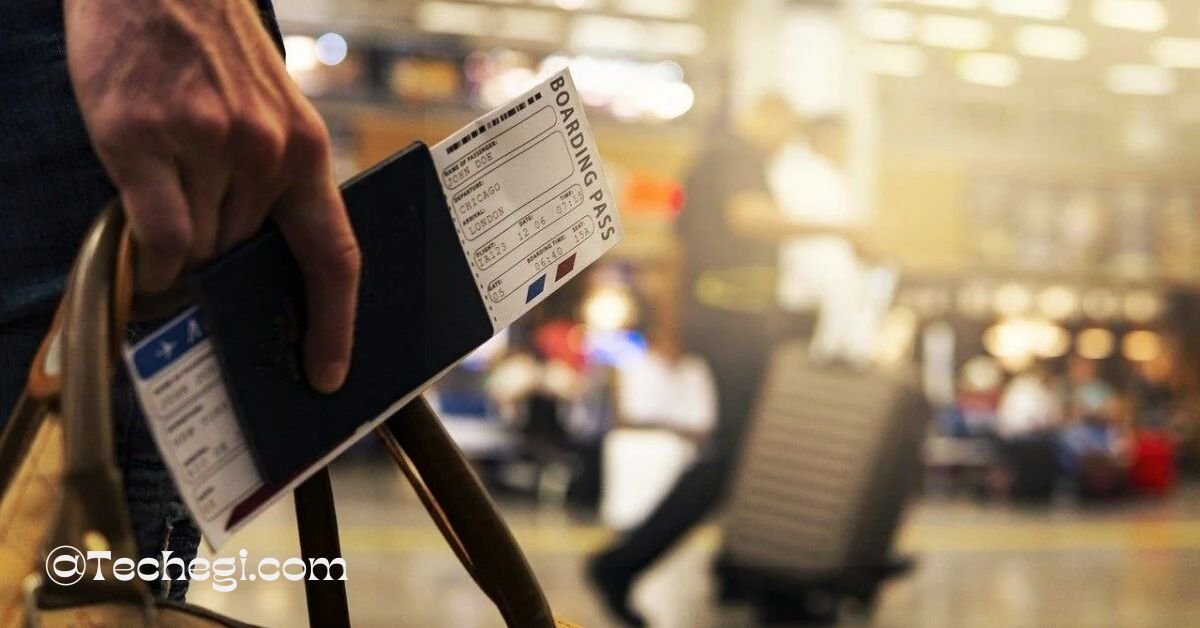
The latest EU261 news focuses on ongoing discussions in Europe about updating the EU261 passenger rights regulation. Lawmakers and aviation groups are debating possible changes that could affect flight delay compensation, airline responsibilities, and travel costs.
While the law still protects passengers when flights are delayed or canceled, future revisions may adjust compensation rules and operational requirements for airlines.
Understanding EU261 Regulation and Why It Matters
EU261 is a European regulation designed to protect airline passengers when travel disruptions occur. It sets clear rules for how airlines must respond when flights are delayed, canceled, or overbooked. For many travelers, this regulation has become an important safeguard because it ensures that airlines remain accountable when passengers experience serious disruptions.
The regulation applies to flights departing from airports in the European Union as well as flights arriving in the EU when operated by European airlines. This wide coverage means that travelers from different countries, including the United States, can benefit from the protections offered by EU261.
In recent years, discussions about possible revisions have brought the law back into the spotlight. As a result, EU261 news has become a key topic in the aviation industry and among international travelers who want to understand how their rights may change.
Why EU261 Is Appearing Frequently in Aviation News
The aviation industry has changed significantly since EU261 was first introduced. Passenger numbers have increased, airline networks have expanded, and air travel has become more complex. Because of these developments, policymakers are reviewing whether the current regulation still fits the modern aviation environment.
Airlines argue that the regulation places significant financial pressure on carriers. When flights are delayed or canceled, airlines must often provide compensation as well as meals, accommodation, and alternative travel arrangements. Industry organizations claim that these obligations can cost billions of euros every year.
At the same time, consumer advocates believe the regulation plays a vital role in protecting passengers. They argue that weakening EU261 could reduce accountability for airlines and leave travelers with fewer protections during disruptions.
These competing viewpoints have created ongoing debates, which is why EU261 news continues to attract attention from policymakers, airlines, and travelers.
How EU261 Protects Passengers During Flight Disruptions
One of the main reasons EU261 is so widely discussed is the strong level of protection it provides for airline passengers. When a flight is delayed or canceled under certain conditions, passengers may be entitled to compensation.
The amount of compensation typically depends on the distance of the flight and the length of the delay. In addition to financial compensation, airlines must also provide assistance when passengers are stranded. This assistance can include meals, refreshments, access to communication, and hotel accommodation when necessary.
The regulation also addresses denied boarding situations, which often occur when flights are overbooked. In such cases, passengers who are involuntarily denied boarding may receive compensation along with alternative travel arrangements.
These protections help ensure that travelers are treated fairly when unexpected problems occur during their journey.
Key Topics Dominating Current EU261 News
Several important issues are currently shaping discussions around EU261. One of the most widely debated topics is the threshold for compensation eligibility. Under the current rules, passengers may qualify for compensation when their flight arrives at its destination three hours late or more.
Some airline organizations believe that this threshold is too strict. They argue that increasing the delay threshold would give airlines more flexibility to resolve disruptions without triggering compensation payments.
Another topic frequently discussed in EU261 news is the definition of extraordinary circumstances. Airlines are not required to pay compensation when delays occur due to factors outside their control, such as extreme weather conditions or security risks. Policymakers are exploring whether these circumstances should be clarified in future revisions.
In addition, discussions have emerged about carry-on luggage policies, operational challenges, and the overall balance between passenger protection and airline efficiency.
The Perspective of Airline Industry Organizations
Major aviation organizations have been actively participating in the EU261 debate. These groups represent airlines across Europe and often communicate their concerns about proposed regulatory changes.
Industry leaders emphasize that airlines and passengers share the same goal: reliable and efficient air travel. They argue that excessive financial penalties for delays may limit airlines’ ability to invest in operational improvements.
Airline groups also highlight challenges related to infrastructure limitations, air traffic management, and airport congestion. These factors can cause delays even when airlines operate efficiently.
Because of these concerns, many aviation organizations are urging policymakers to adopt balanced revisions that protect passengers while supporting a competitive aviation industry.
How EU261 Affects American Travelers
Although EU261 is a European law, it can still apply to travelers from the United States. Many American passengers fly to or from Europe every year, and these journeys often fall under EU261 protections.
For example, a passenger flying from New York to Paris on a European airline may be covered by EU261 if the flight is canceled or significantly delayed. Similarly, flights departing from European airports are usually covered regardless of the airline’s nationality.
This means that American travelers should understand the basics of EU261 before planning international trips. Being aware of these rights can help passengers navigate travel disruptions more confidently.
Because of this international impact, EU261 news is followed not only in Europe but also in the United States and other parts of the world.
The Economic Impact of EU261 on Airlines
One of the most frequently discussed aspects of EU261 is its financial impact on airlines. Compensation payments and passenger assistance services represent significant operational costs for carriers.
When multiple flights are delayed due to weather conditions, airport issues, or other disruptions, the total compensation expenses can become substantial. Airlines argue that these costs eventually influence ticket prices and route planning decisions.
Some industry experts believe that balancing consumer protection with airline sustainability is essential for maintaining a strong aviation sector. Without a balanced approach, airlines may face difficulties maintaining competitive pricing and network coverage.
This economic dimension is one of the reasons why EU261 news continues to generate strong reactions from different stakeholders.
Passenger Rights Versus Airline Flexibility
The debate surrounding EU261 often centers on finding the right balance between passenger rights and airline operational flexibility. Travelers want assurance that their rights will be protected when flights are disrupted.
Airlines, however, need flexibility to manage unpredictable situations such as weather events, air traffic delays, and airport congestion. When regulations impose strict penalties, airlines argue that it becomes harder to manage disruptions efficiently.
Policymakers must consider both perspectives when evaluating potential changes to the regulation. The challenge lies in creating rules that maintain strong passenger protections while also supporting a functional aviation system.
How Travelers Can Stay Updated on EU261 News
Because discussions about EU261 are ongoing, travelers should stay informed about possible updates to the regulation. Aviation policies often evolve gradually, and new decisions may influence how passenger rights are applied in the future.
Travelers can follow aviation industry announcements, government policy updates, and airline communications to stay informed. News about EU aviation regulations frequently appears in travel industry publications and international news outlets.
Understanding these developments can help travelers make better decisions when booking flights or handling travel disruptions.
What the Future May Hold for EU261 Regulation
The future of EU261 will depend on ongoing discussions among policymakers, airline organizations, and consumer rights groups. While changes may take time, the debate shows that aviation regulations must evolve alongside the industry.
Some experts believe that future revisions could focus on clarifying compensation rules, improving communication between airlines and passengers, and addressing operational challenges faced by carriers.
Even if updates occur, the core purpose of EU261 is likely to remain the same: protecting airline passengers and ensuring fair treatment during travel disruptions.
For this reason, EU261 news will continue to be an important topic for both the aviation industry and global travelers.
Final Thoughts on EU261 News and Passenger Rights
EU261 has played a major role in shaping passenger rights in the aviation industry. It has provided travelers with clear protections when flights are delayed, canceled, or overbooked.
The current discussions about revising the regulation show how complex aviation policy can be. Policymakers must balance consumer protection, airline sustainability, and the growing demand for global air travel.
For travelers, staying informed about EU261 news can make a significant difference when planning international journeys. Understanding passenger rights helps travelers feel more confident and prepared when unexpected disruptions occur.
As the aviation industry continues to evolve, EU261 will remain one of the most influential passenger protection laws in the world.