
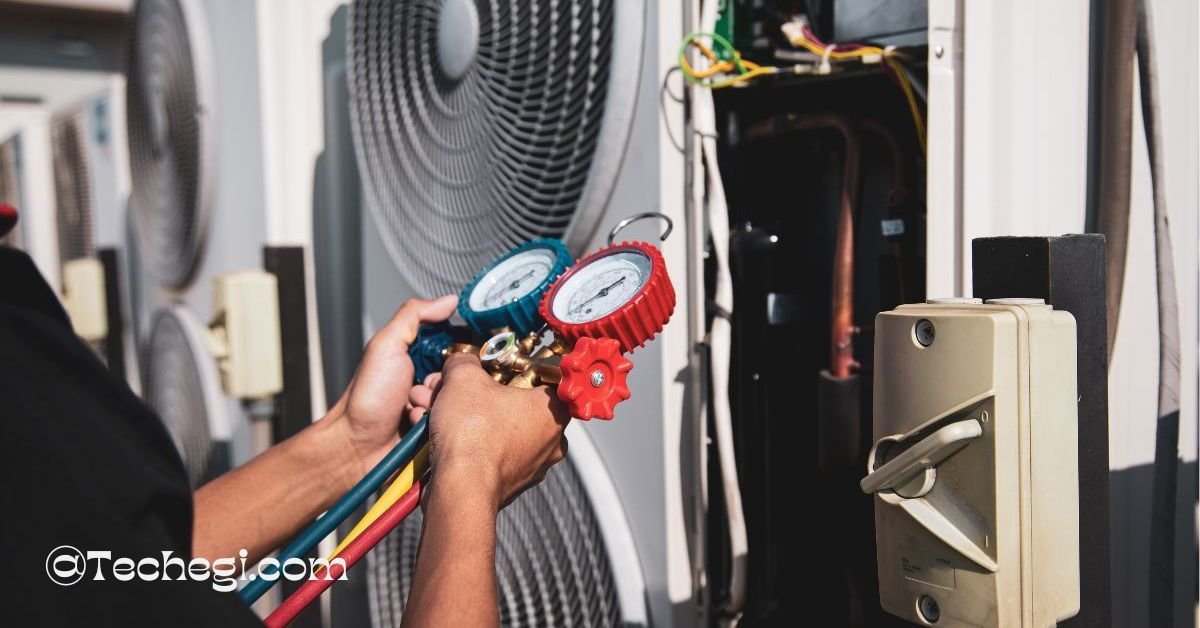
HVAC preventative maintenance is a structured approach to inspecting, cleaning, testing, and servicing heating and cooling systems before failures occur. When done consistently, it improves efficiency, reduces operational costs, enhances indoor air quality, and significantly extends equipment lifespan. Without routine servicing, HVAC systems can gradually lose performance and consume more energy year after year.
In this detailed guide, you’ll understand why HVAC preventative maintenance matters, what tasks should be performed seasonally, and how to create a strategic maintenance plan that protects your property investment.
Why HVAC Preventative Maintenance Is Critical for Every Building
Heating, ventilation, and air conditioning systems operate continuously in residential, commercial, and industrial properties. Over time, wear and tear affect components such as coils, filters, motors, compressors, and electrical connections. Preventative maintenance reduces performance degradation and prevents minor issues from escalating into system failures.
Energy efficiency is one of the primary advantages. A well-maintained HVAC unit operates within manufacturer specifications, consuming less power to achieve the desired indoor temperature. Dirty filters, clogged coils, or refrigerant imbalance force the system to work harder, increasing utility expenses.
Maintenance also minimizes capital expenditure. Replacing an entire HVAC system is significantly more expensive than maintaining it. Regular inspections identify worn parts early, allowing timely replacements before major mechanical damage occurs.
Beyond cost savings, preventative maintenance improves indoor air quality. Clean filters and coils reduce dust, mold spores, and airborne contaminants. This is particularly important in environments where occupants suffer from respiratory issues or allergies.
Seasonal HVAC Preventative Maintenance Strategy
Preventative maintenance should be performed at least twice per year — before the cooling season and before the heating season. However, high-usage environments may require quarterly checks.
Spring and Summer Cooling System Preparation
As temperatures rise, air conditioning systems face peak workload. Preparing the cooling system in advance prevents mid-season breakdowns.
During spring maintenance, technicians typically inspect and clean condenser and evaporator coils, replace or clean air filters, check refrigerant levels, examine drain lines for blockages, test thermostat calibration, inspect electrical components, and lubricate moving parts. Outdoor condenser units are cleared of debris to ensure unrestricted airflow.
These actions collectively improve cooling efficiency and reduce compressor strain during summer months.
Fall and Winter Heating System Preparation
Heating systems must be carefully examined before winter operation to ensure safe and reliable performance.
Fall preventative maintenance includes inspecting burner assemblies, checking ignition systems, examining heat exchangers for cracks, testing gas pressure, verifying ventilation and flue systems, replacing filters, inspecting blowers and motors, and checking safety controls.
Testing carbon monoxide detectors is equally important, as malfunctioning heating systems can pose serious safety risks.
Core Components of an Effective HVAC Preventative Maintenance Plan
Creating a structured HVAC preventative maintenance plan requires strategic thinking. Facility managers must evaluate operational demands, budget constraints, compliance requirements, and equipment lifecycle stages.
Maintenance Frequency Planning
Not all tasks require the same frequency. Filters may need replacement every 2–3 months, while full system inspections are typically bi-annual. High-traffic commercial spaces may require more frequent servicing.
Budget Forecasting and Cost Control
Preventative maintenance enables predictable budgeting. Reviewing past service records and repair invoices helps estimate annual maintenance costs. Allocating an emergency reserve fund ensures readiness for unexpected mechanical failures.
Workforce and Resource Allocation
An effective plan clearly defines responsibilities. Whether maintenance is handled in-house or outsourced to licensed HVAC professionals, the right technical expertise must be available at scheduled intervals.
Compliance and Documentation
Many commercial facilities must comply with building codes and safety regulations. Proper documentation of inspections, repairs, refrigerant handling, and equipment servicing ensures regulatory compliance and protects the organization from liability.
Integrating HVAC Preventative Maintenance with CMMS
A Computerized Maintenance Management System (CMMS) significantly enhances maintenance efficiency. Integrating HVAC preventative maintenance into a CMMS platform allows organizations to schedule tasks, generate work orders, track asset history, monitor costs, and evaluate technician performance.
Digital tracking improves transparency and supports data-driven decision-making. Over time, maintenance analytics can reveal recurring issues, helping optimize replacement schedules and improve asset lifecycle management.
How to Choose the Right HVAC Maintenance Service Plan
Selecting a maintenance plan requires balancing service speed, quality, and cost. Property owners often prioritize affordability, but long-term value depends on service reliability and workmanship standards.
Fast response times are important, especially during extreme weather conditions. However, quality of work should never be compromised. Low-cost plans sometimes exclude essential inspection tasks or use substandard replacement parts.
A comprehensive plan should include detailed inspection protocols, seasonal servicing, emergency support options, warranty considerations, and transparent reporting. Flexible payment structures—such as annual contracts or pay-per-service options—allow better financial planning.
Long-Term Benefits of HVAC Preventative Maintenance
Organizations that consistently invest in HVAC preventative maintenance experience measurable advantages:
Lower energy consumption and reduced carbon footprint
Extended equipment lifespan
Improved occupant comfort and indoor air quality
Reduced emergency repair frequency
Higher property asset value
Preventative maintenance transforms HVAC management from reactive troubleshooting to proactive system optimization.
Final Thoughts
HVAC preventative maintenance is not an optional expense — it is a strategic investment in operational efficiency, safety, and long-term cost control. By implementing structured seasonal inspections, leveraging professional expertise, and integrating maintenance tracking systems, property owners and facility managers can ensure uninterrupted performance throughout the year.
A proactive approach today prevents costly breakdowns tomorrow and keeps your heating and cooling systems operating at peak efficiency for years to come.