
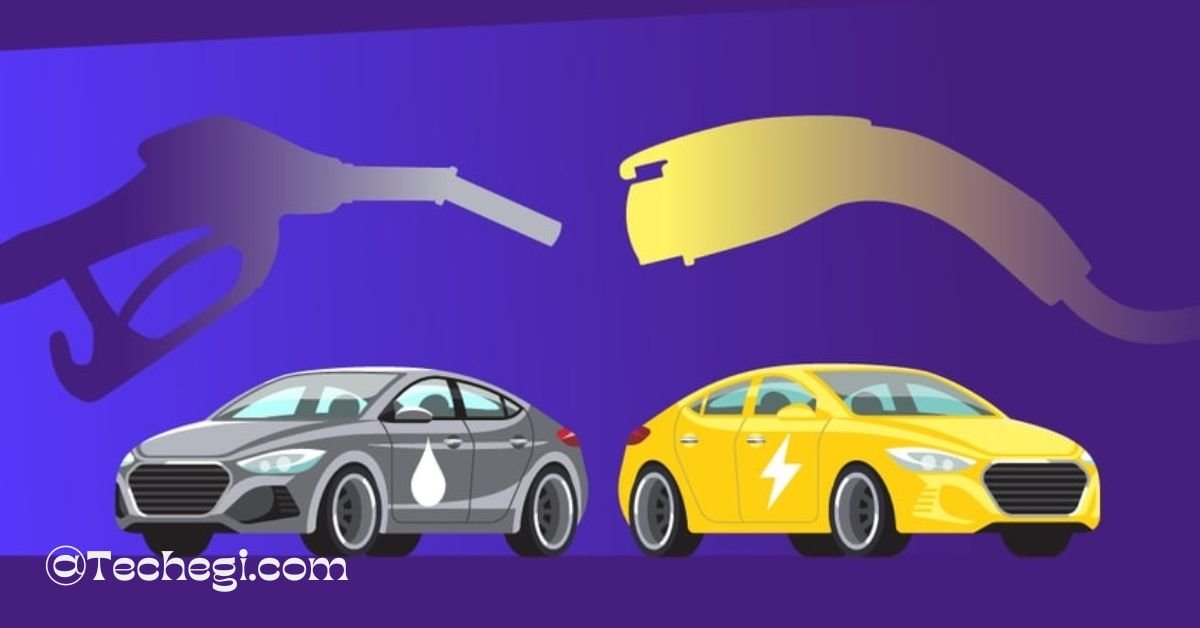
When people compare Hybrid vs. Electric vehicles, the main difference comes down to how they are powered. A hybrid car uses both gasoline and electricity, combining a traditional engine with an electric motor, while an electric vehicle (EV) runs entirely on battery power without using fuel. Both technologies are designed to reduce fuel consumption, lower emissions, and provide a more efficient driving experience.
In the United States, the shift toward cleaner vehicles is happening quickly. Rising fuel prices, government incentives, and growing environmental awareness are pushing many drivers to explore alternatives to traditional gasoline cars. Hybrid and electric vehicles are now more advanced than ever, offering improved battery technology, longer driving ranges, and lower operating costs.
If you are thinking about buying a new car, understanding the differences between hybrid and electric vehicles can help you make a smarter decision. Each option has its own advantages depending on your driving habits, daily commute, and long-term transportation goals.
This detailed guide will help you understand everything about Hybrid vs. Electric cars, including how they work, their benefits, costs, environmental impact, and which one might be the better option for your lifestyle.
The Growing Popularity of Hybrid and Electric Vehicles
Over the past decade, the automotive industry has undergone a major transformation. Car manufacturers are investing billions of dollars into developing cleaner technologies that reduce dependence on fossil fuels.
Hybrid vehicles were the first step toward electrification. They allowed drivers to experience improved fuel efficiency without completely abandoning gasoline. Because hybrids still use fuel stations, they became a comfortable transition for many people who were unsure about fully electric vehicles.
Electric vehicles, however, represent a bigger shift in transportation technology. EVs eliminate gasoline completely and rely entirely on electricity to power the vehicle. As battery technology improves and charging infrastructure expands across the United States, more drivers are becoming confident in choosing electric vehicles.
Government incentives and tax credits have also played a major role in encouraging consumers to consider electrified vehicles. Many states offer financial benefits, lower registration fees, and access to carpool lanes for electric vehicle owners. These incentives make both hybrid and electric vehicles attractive options for people looking to reduce fuel costs while contributing to a cleaner environment.
How Hybrid Cars Work in Everyday Driving
Hybrid vehicles operate using two power systems that work together to improve efficiency. A gasoline engine provides traditional power for long-distance driving, while an electric motor assists the engine or powers the vehicle during low-speed travel.
One of the key technologies in hybrid cars is regenerative braking. When the driver presses the brake pedal, energy that would normally be lost is captured and converted into electricity. This electricity is then stored in the vehicle’s battery and used later to power the electric motor.
During city driving, hybrid vehicles often rely more on electric power because speeds are lower and frequent braking allows the battery to recharge. When the driver accelerates or drives on highways, the gasoline engine becomes the primary source of power.
This combination allows hybrid vehicles to achieve significantly better fuel economy than traditional gasoline vehicles while maintaining the convenience of quick refueling.
Different Types of Hybrid Technology
Not all hybrid vehicles operate the same way. Automakers have developed several types of hybrid systems designed to improve efficiency while meeting different driving needs.
A mild hybrid system provides electric assistance to the gasoline engine but cannot drive solely on electric power. The electric motor simply helps reduce fuel consumption during acceleration and stop-and-go traffic.
A full hybrid system is more advanced and allows the car to operate on electric power alone for short distances. This technology improves fuel efficiency in city driving and reduces emissions.
Plug-in hybrid vehicles take the concept even further. They include a larger battery that can be charged from an external power source. Plug-in hybrids can travel longer distances using only electric power before switching to the gasoline engine. This makes them a popular option for drivers who want some benefits of electric vehicles without worrying about charging availability.
Understanding Electric Vehicles and Their Technology
Electric vehicles operate differently from traditional cars because they do not contain an internal combustion engine. Instead, they use one or more electric motors powered by a large rechargeable battery.
When the driver presses the accelerator, electricity from the battery flows directly to the motor, which turns the wheels. This process produces instant torque, allowing electric vehicles to accelerate smoothly and quickly.
One of the biggest advantages of EVs is their simplicity. Electric vehicles have far fewer moving parts compared to gasoline cars. There are no fuel injectors, exhaust systems, or engine oil components. This design reduces mechanical complexity and often leads to lower maintenance costs.
Electric vehicles must be charged using electricity. Most owners charge their cars at home overnight, but public charging stations are also becoming widely available in cities, workplaces, and highway rest stops.
Hybrid vs. Electric: Key Differences That Matter
When comparing Hybrid vs. Electric vehicles, several important differences influence which option might be best for a driver.
Hybrid vehicles still rely on gasoline, meaning they require fuel refills just like traditional cars. However, their electric motor reduces fuel consumption and improves efficiency. Electric vehicles, on the other hand, eliminate gasoline completely and rely solely on electricity.
Another major difference is the driving experience. Electric vehicles provide instant acceleration because electric motors deliver torque immediately. Hybrid cars feel more similar to traditional vehicles because they still use gasoline engines for most driving conditions.
Charging requirements also differ. Hybrids generally do not need to be plugged in unless they are plug-in hybrid models. Electric vehicles must be charged regularly, either at home or through public charging stations.
These differences influence how drivers experience daily transportation and how they plan longer trips.
Fuel Efficiency and Energy Use
Fuel efficiency is one of the main reasons people consider hybrid or electric vehicles. Hybrid cars reduce gasoline consumption by combining engine power with electric assistance. This allows them to achieve better mileage than traditional gasoline vehicles.
Electric vehicles go even further by eliminating gasoline enterily. Because electric motors convert energy into motion more efficiently than combustion engines, EVs often provide greater overall efficiency.
Electricity is also generally cheaper than gasoline in many parts of the United States. This means that EV drivers often spend significantly less money per mile compared to drivers of gasoline or hybrid vehicles.
As energy technology continues to improve, electric vehicles are expected to become even more efficient and affordable.
Ownership Costs and Long-Term Savings
One of the most common questions in the Hybrid vs. Electric debate involves cost. Hybrid vehicles typically have a lower purchase price than fully electric vehicles, making them attractive for buyers who want improved fuel economy without paying a higher upfront cost.
Electric vehicles often cost more initially because of expensive battery technology. However, government tax credits and incentives can reduce the price significantly.
Operating costs are usually lower for electric vehicles. Charging an EV often costs less than filling a gasoline tank, especially when charging at home during off-peak electricity hours.
Maintenance costs also tend to be lower for EVs. Since electric vehicles do not have engines, they do not require oil changes, spark plug replacements, or many other common maintenance procedures.
Over time, these savings can offset the higher purchase price of electric vehicles.
Environmental Impact and Sustainability
Environmental concerns are one of the biggest motivations behind the development of hybrid and electric vehicles. Hybrid cars reduce emissions by using less gasoline, which helps decrease air pollution and greenhouse gas emissions.
Electric vehicles offer an even greater environmental benefit because they produce zero tailpipe emissions. This helps improve air quality in urban areas where vehicle pollution is a major concern.
However, EV batteries require materials such as lithium and cobalt, which must be mined and processed. Despite this challenge, most environmental studies show that electric vehicles still produce fewer lifetime emissions compared to gasoline vehicles.
As renewable energy sources become more common in the United States, the environmental benefits of electric vehicles will continue to grow.
Charging Infrastructure in the United States
One concern many drivers have about electric vehicles is charging availability. Fortunately, the charging network across the United States has expanded rapidly in recent years.
Thousands of public charging stations are now available along highways, in shopping centers, and at workplaces. This growing infrastructure makes long-distance travel in electric vehicles much easier than it was in the past.
Home charging is also a major advantage for EV owners. By installing a charging station at home, drivers can recharge their vehicle overnight and start each day with a full battery.
Hybrid vehicles do not rely on charging stations unless they are plug-in hybrid models, which makes them convenient for drivers who travel frequently in areas with limited charging infrastructure.
Driving Range and Performance
Driving range has always been an important factor when choosing between hybrid and electric vehicles. Hybrid cars typically offer longer ranges because they combine gasoline and electric power. When the battery is depleted, the gasoline engine continues to power the vehicle.
Electric vehicles depend entirely on battery capacity. However, modern EVs now offer ranges that often exceed 250 to 350 miles on a single charge. This range is sufficient for most daily driving needs.
Performance is another area where electric vehicles often stand out. Electric motors provide instant acceleration and extremely smooth power delivery. Many EVs can accelerate faster than traditional gasoline cars because they do not rely on complex engine mechanics.
Hybrid vehicles provide a balance between traditional driving feel and improved fuel efficiency.
Choosing the Right Vehicle for Your Lifestyle
Deciding between Hybrid vs. Electric vehicles depends largely on your daily driving habits. If you frequently travel long distances or live in areas where charging stations are limited, a hybrid vehicle may provide greater convenience.
If your daily commute is predictable and you have access to home charging, an electric vehicle can offer significant savings and environmental benefits.
Some drivers also choose plug-in hybrid vehicles as a middle ground. These vehicles allow short electric-only trips while still providing gasoline backup for longer journeys.
Ultimately, the best choice depends on personal preferences, budget considerations, and access to charging infrastructure.
The Future of Hybrid and Electric Transportation
The future of transportation is increasingly electric. Major car manufacturers have announced plans to produce more electric vehicles over the next decade as governments push for cleaner transportation solutions.
Hybrid vehicles will likely continue to play an important role during this transition period. They provide a practical step toward electrification while helping drivers become familiar with electric technology.
Advancements in battery technology, renewable energy, and charging infrastructure will continue to make electric vehicles more practical and affordable.
As innovation continues, both hybrid and electric vehicles will contribute to a cleaner and more sustainable transportation system.
Conclusion
The comparison of Hybrid vs. Electric vehicles highlights two different approaches to improving transportation efficiency and reducing environmental impact. Hybrid cars combine gasoline and electric power to deliver better fuel economy while maintaining traditional refueling convenience.
Electric vehicles represent the next step in automotive technology, offering zero emissions, lower operating costs, and a quieter driving experience.
For many drivers in the United States, the choice depends on daily travel patterns, budget, and charging access. As technology improves and infrastructure expands, both hybrid and electric vehicles will continue to shape the future of modern transportation.
Drivers who understand the benefits and differences of these technologies will be better prepared to choose the vehicle that fits their needs today while supporting the transition toward a cleaner future.