
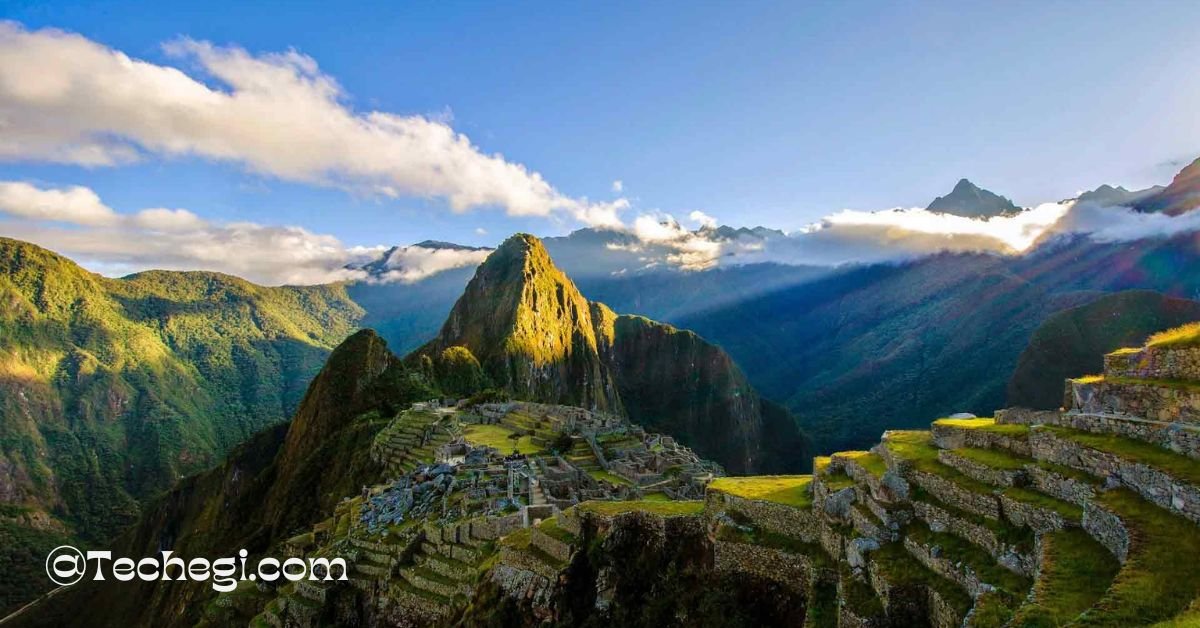
A Machu Picchu Trek is not just a hike. It’s not just a bucket-list checkmark. It’s a layered experience of history, culture, altitude, endurance, and raw natural beauty that unfolds step by step through the Peruvian Andes.
From the moment you begin planning to the instant you first glimpse the ancient citadel emerging from the morning mist, this adventure carries a sense of anticipation unlike any other.
If you’re thinking about trekking to Machu Picchu, this guide will walk you through everything you need to know — routes, preparation, costs, weather, altitude, and how to make your journey unforgettable.
Why Choose a Machu Picchu Trek Instead of Taking the Train?
You can reach Machu Picchu by train from Cusco or Ollantaytambo.
It’s comfortable. It’s scenic. It’s efficient.
But trekking to Machu Picchu transforms the experience entirely.
When you hike, you earn your arrival. You pass through high mountain passes, cloud forests, ancient stone stairways, and hidden archaeological sites long before reaching the main citadel. By the time you stand at the Sun Gate overlooking Machu Picchu, you’re not just a visitor — you’re part of the journey.
The trek builds anticipation. Each step adds meaning.
And that’s why thousands of travelers every year choose the longer, harder, but infinitely more rewarding path.
Understanding Machu Picchu
Located high in the Andes Mountains of Peru, Machu Picchu was built in the 15th century during the reign of the Inca emperor Pachacuti. Perched between lush green peaks and surrounded by dramatic valleys, the site remains one of the most extraordinary architectural achievements in the world.
Constructed using precisely cut stones fitted together without mortar — a technique known as ashlar — the citadel has withstood centuries of earthquakes and harsh mountain weather.
Its purpose remains debated. Was it a royal estate? A sacred religious sanctuary? A strategic retreat? Most historians believe it was likely a combination of these roles.
Regardless of its original function, today Machu Picchu stands as a symbol of Inca ingenuity and cultural brilliance — and the final reward for trekkers who make the journey on foot.
The Most Popular Machu Picchu Trek Routes
There isn’t just one way to trek to Machu Picchu. Several routes offer different experiences depending on your fitness level, interests, and travel style.
The Classic Inca Trail
The Classic Inca Trail is the most iconic and sought-after Machu Picchu trek.
Spanning approximately 42 kilometers over four days, this route follows original Inca pathways through cloud forests and mountain passes. Trekkers pass remarkable ruins such as Wiñay Wayna before arriving dramatically at Inti Punku — the Sun Gate — at sunrise on the final day.
Because of conservation efforts, permits are limited to 500 people per day (including guides and porters). This means booking months in advance is essential, especially during peak season.
The Inca Trail offers unmatched historical immersion — you’re literally walking the same paths the Incas once used.
The Salkantay Trek
If you’re looking for dramatic mountain scenery and fewer restrictions, the Salkantay Trek is an incredible alternative.
This 5-day route takes you past the towering Nevado Salkantay, a sacred snow-capped peak rising over 6,200 meters. Unlike the Inca Trail, Salkantay does not require permits and is less crowded.
The trek moves through diverse ecosystems — from alpine highlands to tropical jungle valleys — offering a varied and physically demanding experience.
Many travelers choose Salkantay for its wild beauty and flexibility.
The Lares Trek
The Lares Trek is ideal for those interested in cultural interaction alongside natural scenery.
Rather than focusing heavily on archaeological ruins, this route passes through traditional Andean villages where communities still live much as they did centuries ago. It’s less strenuous than Salkantay and typically quieter than the Inca Trail.
If cultural immersion matters as much as scenery, Lares offers something deeply authentic.
When Is the Best Time for a Machu Picchu Trek?
Peru’s Andean region experiences two primary seasons:
The dry season runs roughly from May to September. These months offer clearer skies and lower chances of rain, making them the most popular time for trekking. However, trails and the citadel itself can be busy.
The wet season spans from November to March. January and February are the rainiest months, and the Inca Trail closes in February for maintenance.
For many experienced trekkers, the shoulder months — April, May, late September, and October — strike the best balance between manageable weather and smaller crowds.
Temperatures during the day are typically warm, but nights can become extremely cold, especially at higher elevations.
Weather in the Andes is unpredictable, so proper rain gear is essential year-round.
How Difficult Is a Machu Picchu Trek?
A Machu Picchu Trek is moderately to highly challenging depending on the route.
The Inca Trail includes steep stone staircases and high-altitude passes such as Dead Woman’s Pass at over 4,200 meters. Salkantay climbs even higher, reaching elevations above 4,600 meters.
You don’t need to be an elite athlete — but you do need solid cardiovascular endurance and leg strength.
Preparing with hiking practice, stair climbing, and moderate strength training for at least 6–8 weeks before your trip significantly improves your experience.
Remember, altitude adds difficulty. Even well-trained individuals can feel breathless above 4,000 meters.
Understanding Altitude and Acclimatization
Most Machu Picchu treks exceed 4,000 meters at some point.
Altitude sickness can affect anyone regardless of age or fitness level. Symptoms include headaches, nausea, dizziness, and fatigue.
To reduce risk:
Arrive in Cusco at least two days before your trek to acclimatize.
Stay hydrated.
Avoid alcohol upon arrival.
Ascend gradually if possible.
Serious altitude illness is rare but must be taken seriously. Reputable trekking companies are trained to monitor symptoms and act quickly if needed.
How Much Does a Machu Picchu Trek Cost?
Costs vary widely depending on the route and service level.
For the Classic Inca Trail, prices typically range between $600 and $1,500 USD depending on group size and comfort level.
Luxury experiences can exceed $2,000 USD, including upgraded campsites and premium meals.
Alternative treks such as Salkantay or Lares generally range between $120–$250 per day depending on inclusions.
Budget operators may offer lower prices, but always verify safety standards, guide certifications, and porter treatment policies before booking.
What Should You Pack?
Packing smart is critical for a successful Machu Picchu Trek.
Essential items include:
A high-quality waterproof jacket
Broken-in hiking boots
Layered clothing
Thermal base layers
Sun protection
Reusable water bottle
Headlamp
Sleeping bag (for most routes)
Avoid overpacking. Every extra kilogram becomes noticeable at high altitude.
Most guided treks provide porters to carry heavy equipment, but personal daypacks are still your responsibility.
Is Travel Insurance Necessary?
Yes.
Comprehensive travel insurance that covers high-altitude trekking (up to at least 4,600 meters) is strongly recommended and often required by tour operators.
Medical evacuation from remote mountain trails can be expensive. Insurance provides peace of mind in case of injury or unexpected illness.
The Emotional Impact of the Final Arrival
No matter which route you choose, the first glimpse of Machu Picchu is unforgettable.
Sometimes it appears shrouded in mist. Other times it emerges under golden sunrise light.
After days of hiking, sore legs, thin air, and anticipation, standing above the citadel feels surreal.
It’s not just about reaching a destination.
It’s about the journey that brought you there.
And that’s the true magic of a Machu Picchu Trek.