
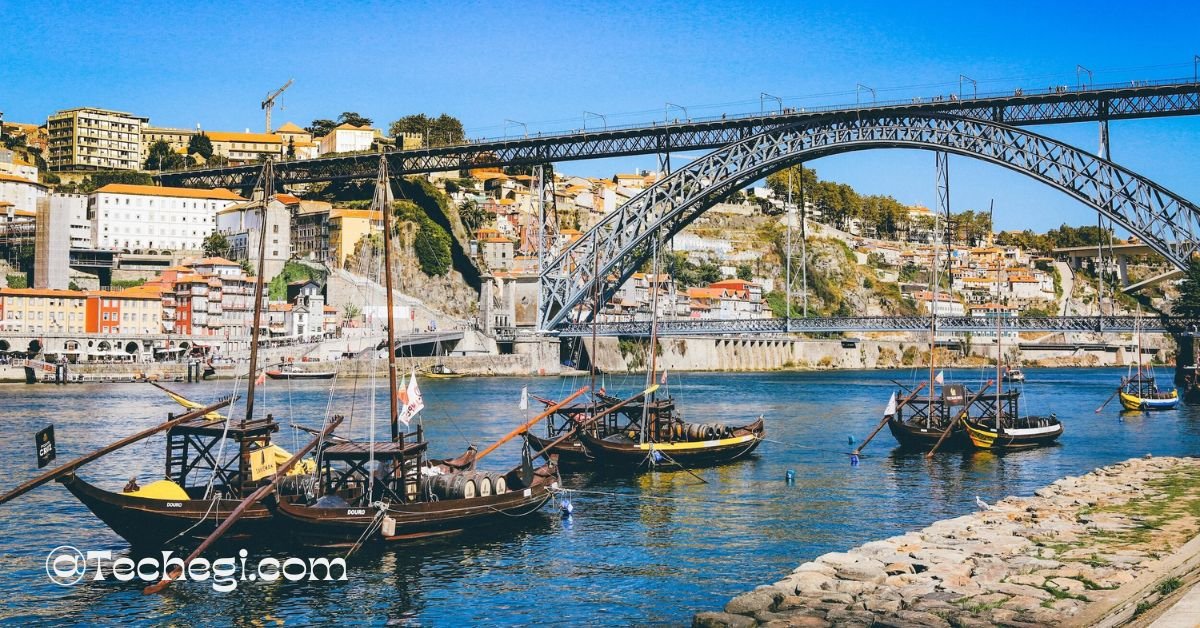
Travel habits are changing. More people are beginning to question the idea that a successful trip means squeezing as many landmarks as possible into a tight schedule. Instead of rushing from one attraction to the next, travellers are slowing down. They are choosing depth over distance, connection over convenience, and routine over rush.
Slow travel in Portugal exploring the country beyond the bucket list is not simply a trend. It reflects a broader shift in how people define meaningful experiences. Portugal, with its compact geography, strong regional identities, and walkable communities, is particularly suited to this slower, more intentional way of discovering a country.
Rather than treating Portugal as a collection of “must-see” stops — Lisbon, Porto, Algarve beaches — slow travellers approach it as a place to live temporarily. They shop at neighbourhood markets, develop favourite cafés, learn a few phrases in Portuguese, and observe daily life as it unfolds. Over time, this approach transforms Portugal from a destination into a lived experience.
What Slow Travel Really Means in Practice
Slow travel does not mean doing less. It means doing differently.
Instead of covering five cities in seven days, travellers may choose one town and stay for several weeks. Rather than following a rigid itinerary, they allow space for spontaneity. They walk instead of rushing. They spend mornings at local bakeries and afternoons wandering residential streets.
The goal is immersion rather than accumulation.
Portugal’s infrastructure supports this naturally. Trains and regional buses connect towns without requiring constant flights. Most historic centres are pedestrian-friendly. Daily routines revolve around public squares, cafés, and markets. Even in larger cities, neighbourhood life remains visible and accessible.
In practical terms, slow travel in Portugal often looks like this:
settling into an apartment for a month, shopping at the same fruit stall each week, taking evening walks along cobbled streets, and gradually learning how life moves in that particular region.
It shifts the focus from sightseeing to understanding.
Portugal’s Regional Diversity Supports a Slower Pace
Portugal may be geographically small, but its regions feel distinctly different from one another. This diversity makes it ideal for travellers who want to explore deeply rather than broadly.
The north carries a quieter, more rural character. Vineyards shape the Douro Valley landscape, and village life follows seasonal rhythms. The centre blends historic university towns with agricultural countryside. Lisbon offers cultural energy balanced by traditional neighbourhood life. Further south, The Algarve combines coastal scenery with established year-round communities.
Each region has its own cadence. Slow travel allows visitors to adapt to these differences rather than skim across them.
For example, inland towns may close shops during midday breaks. Coastal communities may centre around early morning fish markets. Seasonal festivals reflect agricultural cycles. These rhythms are easy to miss during short visits, but extended stays reveal how place and lifestyle intertwine.
Portugal rewards patience.
Beyond the Landmark Mentality
Tourism marketing often promotes a checklist approach: visit this monument, photograph that viewpoint, dine at a famous restaurant, then move on. While these experiences have value, they rarely tell the full story of a place.
Slow travel in Portugal exploring the country beyond the bucket list encourages a different lens. Instead of focusing only on headline attractions, travellers begin to notice everyday architecture, local conversations, neighbourhood bakeries, and the small interactions that shape daily life.
In Lisbon, this may mean exploring residential areas outside the busiest historic quarters. In Porto, it might involve crossing into quieter districts rather than staying only along the riverfront. In The Algarve, it often means spending time in towns that function year-round, not just during peak holiday months.
By shifting attention from spectacle to substance, visitors encounter a Portugal that feels grounded and authentic.
Living Locally Rather Than Visiting Temporarily
One of the defining aspects of slow travel is the concept of temporary living. Visitors often stay long enough to adopt daily routines. They cook at home. They attend local markets. They take language lessons or join community events.
This approach blurs the line between tourism and residency.
Portugal’s lifestyle makes this transition natural. Outdoor cafés encourage lingering. Public spaces remain central to social interaction. Walking remains part of everyday life. Even small towns provide essential services within short distances, allowing visitors to settle into predictable rhythms.
Over time, longer stays lead to familiarity. Shopkeepers recognise returning customers. Neighbours exchange greetings. Seasonal changes become noticeable.
This form of engagement deepens appreciation for local culture while also distributing economic activity more evenly throughout communities.
The Algarve as a Case Study in Slow Living
The Algarve is often associated with beaches and summer tourism. However, outside peak season, it reveals another dimension — one that aligns closely with slow travel principles.
Autumn and winter months bring quieter streets, local markets, and mild weather suitable for walking and outdoor activity. Smaller coastal towns maintain established communities that function beyond tourism cycles. Healthcare services, transportation networks, and infrastructure support extended stays comfortably.
For travellers embracing slow travel in Portugal exploring the country beyond the bucket list, The Algarve offers a balance between accessibility and authenticity.
Walking paths stretch along cliffs and inland countryside. Fresh produce markets operate year-round. Cafés serve as social hubs. The slower winter rhythm allows visitors to experience how the region truly functions when it is not defined by seasonal crowds.
This deeper understanding often reshapes perceptions. What begins as a long stay sometimes evolves into repeat visits, seasonal living, or even long-term relocation considerations.
Sustainability and Responsible Travel
Slow travel is closely linked to sustainability. By reducing the number of flights and limiting constant movement between destinations, travellers decrease their environmental footprint. Longer stays also mean less strain on transportation systems and urban infrastructure.
In Portugal, where certain areas experience high seasonal demand, slow travel contributes to better distribution of visitor presence. Travellers who stay longer often visit during off-peak months, supporting local businesses year-round rather than concentrating economic activity into short bursts.
Small restaurants, independent shops, local tradespeople, and community markets benefit from steady, consistent engagement.
Beyond environmental sustainability, slow travel supports social sustainability. Visitors who take time to understand local customs, respect community rhythms, and engage responsibly help preserve cultural integrity.
Portugal’s emphasis on hospitality and public life makes this reciprocal relationship especially visible.
Everyday Experiences Become the Highlight
One of the most surprising aspects of slow travel is how ordinary moments become memorable.
Morning walks to buy fresh bread. Conversations with café owners. Watching fishermen return at sunset. Participating in local festivals. These experiences rarely appear in guidebooks, yet they often define a trip more powerfully than iconic landmarks.
Portugal’s café culture plays a central role here. Time is not rushed. Coffee is rarely taken to go. Social interaction happens naturally and without urgency.
Slow travel allows space for these interactions.
Over weeks rather than days, visitors begin to understand regional humour, food traditions, and daily habits. This gradual learning process fosters a sense of belonging, even if temporary.
Housing Trends and Extended Stays
As slow travel becomes more common, accommodation preferences are shifting. Instead of short-term hotel stays, travellers increasingly look for residential-style properties that support daily life.
Features such as kitchens, storage space, outdoor areas, and proximity to local services become more important than proximity to tourist landmarks. Extended stays encourage interest in neighbourhoods that reflect everyday living rather than seasonal tourism.
In regions like The Algarve, this has influenced broader housing discussions. Long-stay visitors sometimes explore real estate opportunities after spending extended time in a community. While not every slow traveller intends to relocate, the immersive experience often prompts reflection on lifestyle priorities.
Portugal’s combination of climate, infrastructure, and manageable scale continues to attract those reassessing how and where they want to live, even temporarily.
The Psychological Benefits of Slower Exploration
Beyond logistics and sustainability, slow travel offers personal benefits.
Modern travel can be exhausting. Tight schedules, constant transportation, and packed itineraries often leave travellers needing recovery time after returning home. Slow travel reverses this pattern. By reducing movement and increasing familiarity, stress levels decrease.
Portugal’s environment enhances this effect. Outdoor spaces are accessible. Coastal air encourages walking. Public squares provide social energy without pressure. Even urban centres maintain a human scale.
For many, slow travel becomes less about tourism and more about recalibrating lifestyle balance.
Looking Forward: The Future of Travel in Portugal
As remote work becomes more common and travellers prioritise flexibility, slow travel is likely to remain a significant influence. Portugal’s digital infrastructure, international connectivity, and lifestyle appeal position it well within this evolving landscape.
Regions beyond major hotspots are gaining attention. Inland towns, secondary cities, and year-round coastal communities offer alternatives to high-density tourism.
Slow travel in Portugal exploring the country beyond the bucket list reflects a broader desire to engage thoughtfully with place. It encourages visitors to observe rather than consume, to participate rather than pass through.
Portugal does not demand urgency. It rewards patience.