
Introduction
Soft tissue injuries, muscle pain, and chronic stiffness are problems that affect millions of people worldwide. Whether caused by daily stress, sports injuries, or post-surgical recovery, these conditions can significantly reduce mobility and quality of life. One of the most effective, non-invasive treatments recommended by physical therapists is soft tissue mobilization. This specialized form of manual therapy uses precise techniques such as stretching, deep pressure, and instrument assistance to reduce pain, improve circulation, and restore normal movement in the body.
Unlike general massage, soft tissue mobilization is a targeted therapy designed to treat specific medical conditions. It not only relieves discomfort but also addresses underlying issues such as scar tissue, restricted fascia, and chronic muscle tightness. In this article, we’ll explore what soft tissue mobilization is, its benefits, the different techniques used, and why it has become a cornerstone of modern physical therapy.
What Is Soft Tissue Mobilization?
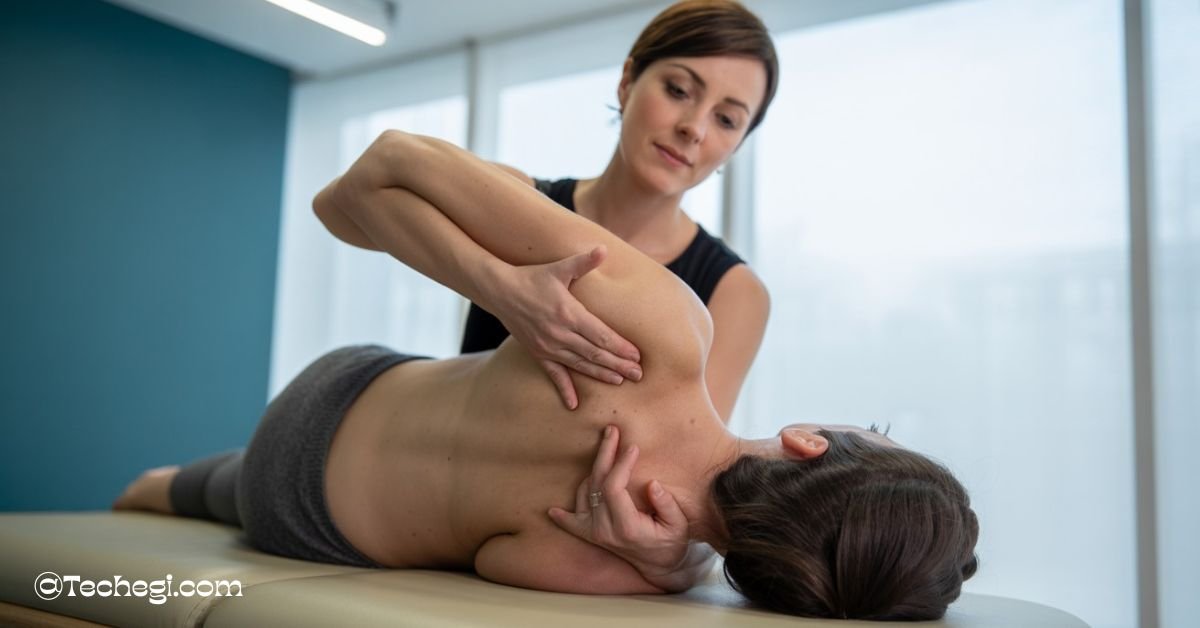
Soft tissue mobilization (STM) is a type of manual therapy performed by licensed physical therapists to treat injuries, reduce pain, and improve function in muscles, tendons, ligaments, and fascia. It involves the application of direct pressure, stretching, or specialized tools to break down adhesions and scar tissue that can restrict movement.
The goal of STM is not only to provide temporary relief but to restore proper mobility and promote healing at the tissue level. By addressing areas of tension and limited motion, it improves blood circulation and lymphatic flow, reduces inflammation, and accelerates recovery. Patients with back pain, shoulder impingement, carpal tunnel syndrome, and even post-operative scars often benefit from this approach.
Because soft tissue mobilization is rooted in anatomy and rehabilitation science, it differs from general massage therapy. It is a structured treatment method, usually part of a larger physical therapy plan tailored to each individual’s needs.
Benefits of Soft Tissue Mobilization
The advantages of soft tissue mobilization extend far beyond simple pain relief. One of its primary benefits is the reduction of chronic muscle tension, which often leads to headaches, stiffness, and limited range of motion. By targeting scar tissue and adhesions, STM also helps improve flexibility, allowing patients to move more freely without discomfort.
Another major benefit is its role in speeding up recovery after injury or surgery. Scar tissue can form as the body heals, but excessive scar tissue can restrict movement and cause long-term pain. STM techniques break down this tissue, promoting proper tissue alignment and regeneration.
Soft tissue mobilization also improves circulation, which enhances the delivery of oxygen and nutrients to injured areas. This helps decrease inflammation and swelling, particularly beneficial for conditions like bursitis or tendonitis. Many patients also report reduced stress and improved overall function after regular sessions, making STM a valuable part of holistic rehabilitation.
Types of Soft Tissue Mobilization Techniques
Strain-Counterstrain
Strain-counterstrain is a gentle form of soft tissue mobilization where the therapist positions the body in ways that relieve tension and pain. The technique involves identifying tender points and holding the body in specific positions for up to three minutes, allowing the muscles and fascia to relax naturally. This method is especially effective for treating joint stiffness, muscle spasms, and postural imbalances without causing additional pain during treatment.
Graston Technique (Instrument Assisted Soft Tissue Mobilization)
The Graston Technique is one of the most well-known instrument assisted soft tissue mobilization (IASTM) methods. It uses stainless steel tools designed to detect and treat areas of scar tissue and restrictions in soft tissue. By applying controlled pressure, the Graston Technique helps break down adhesions, reduce pain, and improve range of motion. It is commonly used for low back pain, plantar fasciitis, and repetitive strain injuries. Research has shown that patients often experience faster recovery with Graston compared to traditional manual therapy alone.
ASTYM (Instrument Assisted Soft Tissue Mobilization)
ASTYM is another form of instrument-assisted soft tissue mobilization but uses specialized plastic tools instead of metal instruments. The primary goal of ASTYM is to stimulate the body’s natural healing response, breaking down unhealthy tissue and encouraging regeneration of healthy collagen. It is highly effective for chronic conditions such as tendinitis, bursitis, and post-surgical adhesions. Patients who undergo ASTYM often report improved flexibility, reduced stiffness, and greater ease of movement.
Manual Lymphatic Drainage (MLD)
Manual lymphatic drainage is a gentle STM technique that promotes the flow of lymph fluid through the body. By using light, rhythmic strokes, therapists can reduce swelling, improve circulation, and enhance immune function. MLD is often recommended for patients with post-surgical swelling, migraines, or chronic conditions like lymphedema. Its soothing nature also makes it a preferred therapy for individuals sensitive to deep tissue pressure.
Manual Traction
Manual traction involves applying a gentle pulling force to the spine or joints, relieving pressure on compressed nerves and discs. This type of mobilization is especially beneficial for individuals with sciatica, herniated discs, or degenerative spinal conditions. By creating space between vertebrae, manual traction reduces nerve irritation and promotes spinal alignment. Patients often feel immediate relief from back pain following this technique.
Trigger Point Therapy / Myofascial Release
Trigger point therapy, often referred to as myofascial release, is used to treat tight knots within muscles that cause pain and restricted movement. These trigger points often radiate pain to other areas of the body. By applying deep, sustained pressure, therapists release these points, restoring normal function and reducing discomfort. Myofascial release also focuses on lengthening and relaxing the fascia, the connective tissue surrounding muscles, helping to restore overall mobility.
Cross Friction
Cross friction massage is a targeted STM method applied across the fibers of tendons, ligaments, or muscles. Unlike standard massage strokes, cross friction is applied transversely to break down adhesions and stimulate healing. It is particularly beneficial for tendon injuries, such as tennis elbow or Achilles tendinitis. This technique not only reduces pain but also promotes the regeneration of healthy connective tissue, making it valuable for long-term recovery.
Soft Tissue Mobilization Massage
Soft tissue mobilization massage shares similarities with deep tissue massage but is more medically focused. While massage is often associated with relaxation, STM massage is designed to address clinical problems like scar tissue, chronic tightness, and limited range of motion. Therapists may combine traditional massage strokes with mobilization techniques to provide both therapeutic and relaxing benefits. For patients recovering from injury, STM massage can be a bridge between medical therapy and wellness-focused bodywork.
Soft Tissue Mobilization vs Massage
Many patients wonder about the difference between soft tissue mobilization and standard massage. The main distinction lies in the purpose and application. Massage therapy primarily aims to relax the body, reduce stress, and improve general well-being. In contrast, soft tissue mobilization is a targeted, therapeutic intervention performed by physical therapists.
Another key difference is that STM is often prescribed as part of a treatment plan for specific medical conditions. Techniques such as Graston or ASTYM require professional training and clinical knowledge of anatomy. While both approaches can be beneficial, STM provides deeper, more condition-specific outcomes, particularly for injury recovery and pain management.
| Feature | Massage Therapy | Soft Tissue Mobilization |
|---|---|---|
| Primary Goal | Relaxation & stress relief | Medical treatment & rehabilitation |
| Performed By | Massage therapists | Licensed physical therapists |
| Techniques | General strokes | Specific, targeted mobilization methods |
| Conditions Treated | Muscle tension, stress | Injuries, scar tissue, chronic pain |
Soft Tissue Mobilization in Physical Therapy
Soft tissue mobilization is a cornerstone of modern physical therapy. It is often used alongside therapeutic exercises, stretching, and strengthening programs to ensure patients achieve long-term recovery. Physical therapists assess the underlying cause of pain or limited mobility, then choose the most appropriate STM technique to address it.
For example, someone with chronic shoulder impingement may receive cross friction massage combined with mobility exercises, while a patient recovering from surgery may benefit from lymphatic drainage and gentle myofascial release. This integration of STM within physical therapy ensures that treatment is tailored, effective, and safe.
Understanding Soft Tissue Mobilization Grades
Soft tissue mobilization can vary in intensity, often described as “grades.” Gentle grades involve light pressure and stretching, suitable for sensitive areas or early stages of healing. More intense grades apply deeper pressure and mobilization to break down scar tissue or release chronic adhesions.
Therapists choose the appropriate grade based on the patient’s tolerance, condition, and recovery goals. By gradually progressing from gentle to deeper techniques, patients can experience effective results without unnecessary discomfort.
Soft Tissue Mobilization for the Abdomen
While STM is commonly associated with the back, shoulders, and legs, it is also valuable for abdominal conditions. Abdominal soft tissue mobilization can help improve mobility after surgeries such as C-sections, hernia repairs, or abdominal adhesions. It can also support digestive function by reducing fascial restrictions that affect organ movement.
Because the abdomen is sensitive, this type of mobilization is performed with great care and precision. Patients often notice improvements in comfort, posture, and overall abdominal function after treatment.
Finding Soft Tissue Mobilization Near Me
Patients interested in receiving STM often search for “soft tissue mobilization near me.” The best way to find qualified providers is by consulting licensed physical therapy clinics. Unlike general massage studios, physical therapy centers employ trained professionals who understand anatomy, rehabilitation, and safe mobilization practices.
When choosing a provider, it’s important to verify credentials, read reviews, and discuss treatment goals during the first appointment. This ensures patients receive the highest quality care tailored to their individual needs.
Learning More: Soft Tissue Mobilization Resources
Soft Tissue Mobilization – Physiopedia
Physiopedia is an excellent resource for healthcare professionals and patients alike. It provides detailed, research-based information on soft tissue mobilization techniques, their applications, and clinical outcomes. For patients who want to deepen their understanding, Physiopedia offers evidence-based explanations that complement the information provided by physical therapists.
Soft Tissue Mobilization Techniques PDF
Many therapy clinics and professional organizations also provide educational materials in PDF format. These documents often outline techniques, benefits, and home care recommendations for patients. Accessing a soft tissue mobilization techniques PDF can be especially helpful for patients who want to review information after sessions or share it with caregivers.
Conclusion
Soft tissue mobilization is a powerful, evidence-based approach to treating pain, injuries, and mobility restrictions. From strain-counterstrain to instrument-assisted methods like Graston and ASTYM, these techniques address both acute and chronic conditions with precision. Unlike general massage, STM is a clinical intervention that restores function, reduces scar tissue, and enhances recovery.
Whether you are recovering from surgery, struggling with chronic pain, or seeking to improve athletic performance, soft tissue mobilization provides a safe and effective pathway toward healing. By working with a licensed physical therapist, patients can experience lasting relief and improved quality of life.
FAQs About Soft Tissue Mobilization
Q1. What conditions can soft tissue mobilization treat?
It is effective for back pain, tendinitis, bursitis, carpal tunnel, sports injuries, scar tissue, and post-surgical recovery.
Q2. How is soft tissue mobilization different from massage therapy?
Massage focuses on relaxation, while STM targets medical conditions using advanced techniques performed by physical therapists.
Q3. Is soft tissue mobilization painful?
Mild discomfort may occur during treatment, but it should not be overly painful. Many patients feel relief afterward.
Q4. How many sessions of STM are usually needed?
It depends on the condition. Some patients improve after a few sessions, while chronic issues may require longer treatment plans.
Q5. Can I do soft tissue mobilization at home?
Self-massage and stretching may help, but professional STM should be performed by a trained physical therapist for best results.
Also read: