
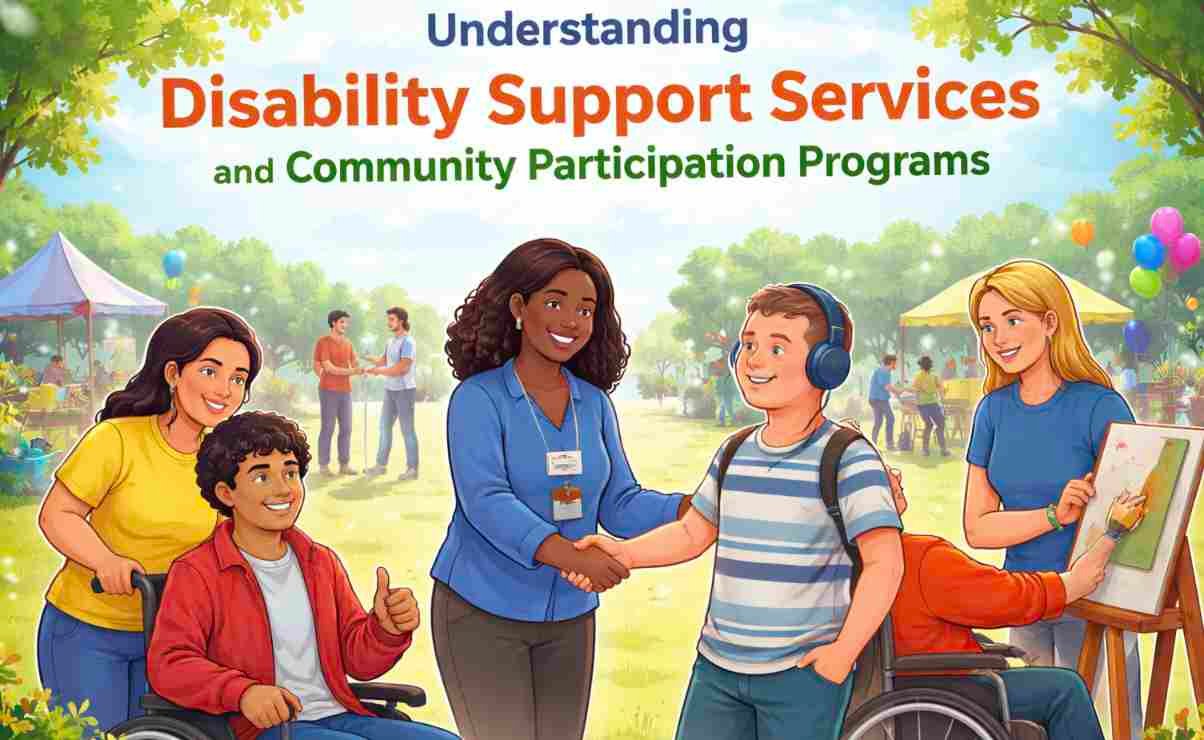
For many individuals living with disabilities, having the right support can make a meaningful difference in everyday life. Support services are designed to help people maintain independence, develop life skills, and stay connected with their communities. While medical care and personal assistance are important, social participation and skill development are equally valuable for long-term well-being.
Disability support services aim to create opportunities for individuals to live fulfilling lives while receiving the help they need. These services often include assistance with daily activities, health support, and programs that encourage social interaction and community engagement.
In Australia, many disability support services operate through the National Disability Insurance Scheme, which provides funding and support to individuals with permanent and significant disabilities. Through these programs, participants can access services that promote independence and improve quality of life.
Understanding how disability support services and community participation programs work can help individuals and families choose the right support for their needs.
What Disability Support Services Include
Disability support services cover a wide range of assistance designed to help individuals manage everyday activities and improve overall well-being. These services are often tailored to each person’s needs, abilities, and goals.
For example, support workers may assist with tasks such as personal care, meal preparation, transportation, and household chores. These activities help individuals maintain independence while keeping daily routines manageable.
Imagine someone who has difficulty with mobility after an injury or due to a long-term condition. Simple tasks like grocery shopping or preparing meals might become challenging. With professional support, these tasks become easier to manage, allowing the individual to focus on other aspects of life, such as work, hobbies, or social activities.
Support services may also include specialized care, such as nursing assistance, therapy programs, or help with medication management. For people with ongoing health conditions, this support can make a significant difference in maintaining stability and comfort.
Another key element of disability support is helping individuals develop life skills. Programs may teach practical abilities such as budgeting, cooking, or using technology to manage daily tasks.
By focusing on skill-building and support, these services empower individuals to become more independent over time.
Encouraging Community Participation
While personal care and daily support are essential, social connection is equally important for emotional and mental well-being. Community participation programs are designed to help individuals engage with others, explore interests, and develop meaningful relationships.
These programs often include group activities, workshops, educational opportunities, and community outings. For example, participants might attend art classes, fitness sessions, or social gatherings to meet others with similar interests.
Consider someone who enjoys music but has limited opportunities to attend concerts or music workshops due to mobility challenges. A community participation program may organize group outings or music classes that make these experiences more accessible.
These programs also help individuals develop social skills and confidence. Engaging with others in supportive environments encourages communication, teamwork, and self-expression.
Community participation can extend beyond recreational activities. Some programs help participants volunteer or explore employment opportunities, allowing them to contribute their skills to local organizations or businesses.
For example, a participant interested in hospitality might volunteer at a community café, gaining valuable experience while interacting with customers and colleagues.
These experiences help individuals build confidence and feel more connected to the world around them.
Supporting Families and Caregivers
Disability support services also play an important role in supporting families and caregivers. Caring for a loved one with a disability can be both rewarding and demanding. Professional support helps ensure individuals receive consistent care while reducing stress for family members.
For instance, parents caring for a child with a disability may rely on support workers to assist with daily routines or therapy exercises. This allows parents to manage work responsibilities and personal commitments while ensuring their child receives the care they need.
Similarly, adult children caring for aging parents may benefit from professional assistance with tasks such as medication management or mobility support.
Community programs also offer caregivers opportunities to connect with others facing similar challenges. Support networks can offer guidance, shared experiences, and emotional encouragement.
Families exploring available services may find it helpful to visit Nursed to learn more about how disability support services and community programs help individuals maintain independence and participate in everyday activities.
By sharing caregiving responsibilities with trained professionals, families can create healthier and more sustainable support systems.
Real-Life Benefits Across Different Environments
The impact of disability support services can be seen across many areas of life. In workplaces, schools, and community spaces, these services help individuals overcome barriers that might otherwise limit participation.
For example, a student with a disability may receive assistance attending classes, completing assignments, or participating in extracurricular activities. With the right support, the student can pursue education alongside peers and develop valuable academic and social skills.
In professional environments, support services may help individuals prepare for employment or maintain existing jobs. Assistance with transportation, scheduling, or workplace accommodations can help employees perform their roles effectively.
Community programs also benefit local organizations and businesses by promoting inclusivity. When individuals with disabilities participate in events, volunteer opportunities, or training programs, they bring diverse perspectives and talents that enrich communities.
For example, a community garden project may welcome participants from disability support programs. Working together to plant and maintain the garden not only develops practical skills but also fosters teamwork and social interaction.
These experiences demonstrate how disability support services contribute to more inclusive and supportive communities.
Developing Skills for Long-Term Independence
A key goal of disability support services is to help individuals develop skills that support long-term independence. Many programs focus on teaching practical abilities that can be applied in everyday life.
These may include:
- Cooking and meal planning
- Managing personal finances
- Using public transportation
- Communication and teamwork
- Technology skills for work or study
For example, a participant learning to manage a weekly budget may gain confidence handling personal finances. Over time, this skill can support greater independence in managing household expenses.
Similarly, individuals who participate in communication workshops may feel more confident speaking in group settings or interacting with coworkers.
These skills help participants take greater control of their lives while building confidence in their abilities.
Final Thoughts
Disability support services and community participation programs play a vital role in helping individuals live fuller and more independent lives. By combining practical assistance with opportunities for social engagement, these programs address both the physical and emotional aspects of well-being.
Support workers help individuals manage everyday tasks, while community programs encourage learning, friendship, and confidence. Together, these services create pathways for individuals to pursue their goals and remain active members of their communities.
For families and caregivers, professional support services provide reassurance that their loved ones are receiving reliable care while continuing to grow and develop.
As disability support programs continue to evolve, their focus remains clear: empowering individuals with disabilities to live with dignity, independence, and meaningful connections in their everyday lives.