
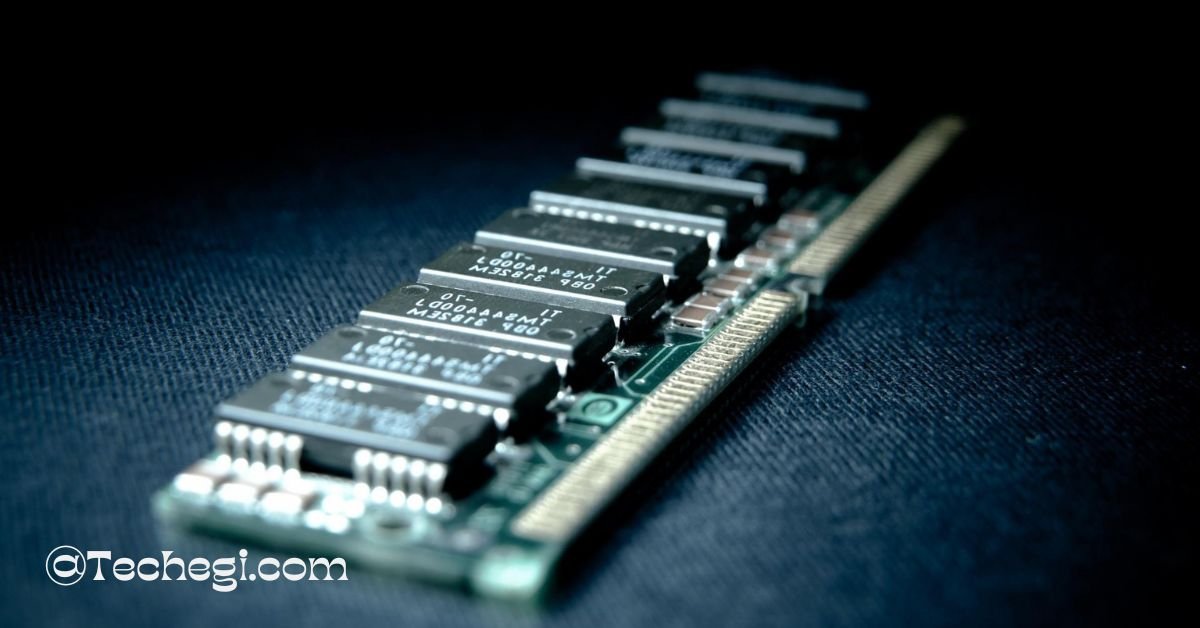
Smartphone specs often throw around terms like ROM, leaving many wondering: What is ROM on a phone? At its core, ROM powers the persistent storage that keeps your apps, photos, and files safe—even when the power’s off. But there’s more to it than just space; understanding ROM helps you pick a device that matches your digital life without constant storage headaches.
This in-depth guide breaks down everything about ROM: its definition, how it works, why it matters, and practical advice on capacities, management, and future trends. Whether you’re a casual user or a content creator snapping 4K videos, we’ll equip you to make smarter choices. Dive in!
Defining ROM on a Phone – Your Device’s Permanent Vault
What is ROM on a phone, simply put?
ROM stands for Read-Only Memory, but in modern smartphones, it’s evolved into your internal storage the non-volatile space where the operating system (like Android or iOS), preloaded apps, and all your personal files live. Unlike temporary memory, ROM holds data securely through power cycles, restarts, or long-term inactivity.
Think of ROM as your phone’s digital filing cabinet. It stores everything from system files (which you rarely touch) to your sprawling photo library, downloaded Netflix shows, and massive games like Genshin Impact. Capacities range from 64GB in budget models to a whopping 1TB+ in flagships, ensuring your content stays put without needing cloud backups every five minutes.
How Does ROM Actually Work Inside Your Phone?
ROM operates using flash memory technology, specifically NAND flash, which writes and reads data in blocks for speed and durability. When you install an app or snap a photo, it lands in ROM’s structured partitions: one for the OS, another for apps, and user-accessible areas for media.
Data persists because it’s electrically stored in memory cells no power required to maintain it. This contrasts with volatile RAM, which we’ll touch on later. Speeds vary: UFS 4.0 (found in high-end phones like the Samsung Galaxy S24 Ultra) hits read/write speeds over 4,000 MB/s, making app launches and file transfers feel instant. Older eMMC tech in entry-level devices lags at 300-400 MB/s, which can bottleneck heavy use.
Pro tip: Check your phone’s ROM type via apps like CPU-Z or AIDA64 for benchmarks—it’s a quick way to gauge performance.
ROM vs. RAM: Clearing Up the Common Confusion
People often mix up ROM and RAM, but they’re night and day. Here’s a side-by-side breakdown:
| Feature | ROM (Internal Storage) | RAM (Working Memory) |
| Volatility | Non-volatile: Data stays when powered off. | Volatile: Clears on shutdown or app close. |
| Purpose | Long-term storage for OS, apps, files. | Short-term for running apps and multitasking. |
| Typical Size | 64GB–1TB+ | 4GB–24GB |
| Speed Focus | High-capacity endurance (10K+ write cycles). | Ultra-fast access (GHz speeds). |
| Examples | Photos, videos, 100GB game installs. | Juggling 10 tabs in Chrome + Spotify. |
RAM fuels real-time performance—like switching apps without hiccups while ROM is your content warehouse. Skimp on either, and you’ll notice: low ROM means “storage full” pop-ups; low RAM causes lags.
Typical ROM Capacities – From Bare Minimum to Powerhouse
ROM sizes have exploded thanks to affordable NAND chips. Here’s what they mean in real life:
- 64GB: Entry-level basics. Fine for calls, light social media, and a few apps. But with OS eating 15-20GB, you’re left with ~40GB—quickly filled by 10 high-res photos.
- 128GB–256GB: Sweet spot for most. Handles 50+ apps, 1,000 songs, and 100GB of 4K video. Ideal for average users streaming Netflix or editing TikToks.
- 512GB–1TB: Power-user paradise. Store entire 4K movie collections, pro photo shoots (e.g., RAW files at 50MB each), or offline game libraries. Flagships like the Google Pixel 9 Pro XL offer 1TB for creators.
Gaming phones push further: the ASUS ROG Phone 9 boasts 1TB ROM + expandable slots. Always factor in “usable” space—OS and apps claim 20-30%.
Can You Upgrade or Expand ROM on Your Phone?
Most ROM is soldered onto the motherboard, so no post-purchase upgrades like PC storage. However, expansion options exist:
- MicroSD Cards: Many Androids (e.g., Samsung A-series) support up to 1TB cards. Slot one in for cheap overflow—great for media hoarders. iPhones? No dice; you’re cloud-bound.
- Virtual Expansion Tech: Brands like Xiaomi’s MIUI or Realme use “RAM extension,” but for storage, compressed file systems (like Google’s Files app) free up space virtually.
- Cloud Hybrids: Services like Google One or iCloud act as “external ROM,” syncing files off-device. A 512GB phone + 2TB cloud = endless space.
Check specs before buying hybrids like the Motorola Edge 50 fuse 256GB ROM with microSD for flexibility.
Why ROM Size Matters: Impact on Daily Phone Life
Insufficient ROM triggers chaos: forced app deletions, slowed performance (as the system swaps data), and endless cloud uploads. Ample ROM means:
- Faster Boot and App Loads: Less fragmentation.
- Offline Freedom: Download maps, podcasts, or AR games without Wi-Fi.
- Content Creation Boost: Edit 8K videos on-device without exports.
- Resale Value: Higher ROM = better trade-in prices.
Studies show users with 256GB+ report 40% less storage anxiety. For families sharing devices, prioritize 512GB.
Best Practices for Managing and Maximizing Your ROM
Don’t let ROM fill up—follow these:
- Regular Cleanups: Use built-in tools (Settings > Storage) to offload duplicates. Apps like CCleaner zap junk.
- Smart App Choices: Opt for lite versions (e.g., Facebook Lite) that sip storage.
- Cloud + Local Balance: Auto-backup photos to Google Photos, keeping favorites local.
- Format for Speed: Factory reset occasionally reformats ROM, boosting write speeds.
- Monitor Usage: Widgets track real-time fill rates.
ROM in Flagship Phones – Top Picks and Trends for 2025
2025 brings wild ROM innovations:
- OnePlus 13: 1TB UFS 4.0 for gamers.
- iPhone 17 Pro Max (rumored): Up to 2TB, leveraging faster NVMe-like tech.
- Foldables: HONOR Magic V3 folds 512GB into ultra-slim designs.
Trends: AI-optimized compression (e.g., shrinking 4K files 30%) and hybrid SSDs for 2TB+ norms.
FAQs
Is ROM the same as internal storage?
Yes, ROM is your phone’s built-in storage in casual terms, holding all persistent data.
What happens if ROM is full?
Apps won’t install, performance dips, and cameras may block shots. Clear space ASAP.
ROM vs. external storage which is better?
ROM is faster and integrated; external (SD/cloud) adds capacity but slower for apps.
Does more ROM improve speed?
Indirectly—less swapping means snappier operation.