
Introduction
If you have ever bought a new phone or chosen a mobile internet package, you have probably seen the term GB mentioned again and again. Many people see numbers like 64GB, 128GB, or 5GB data but are not fully sure what they actually mean. This confusion is very common, especially for everyday phone users who just want their device to work smoothly.
In simple terms, GB (gigabytes) measure how much space or data your phone can handle. It affects how many apps you can install, how many photos and videos you can store, and how much internet you can use. Understanding what GB on a phone really means helps you avoid storage problems, slow performance, and unexpected data limits.
Understanding What GB Means on a Phone
GB stands for gigabyte, which is a unit used to measure digital information. On a phone, GB is used to describe how much data or storage your device can handle. One gigabyte equals 1,024 megabytes (MB), and those megabytes are made up of even smaller units called kilobytes.
When people talk about GB on a phone, they are usually referring to one of two things: storage space or mobile data. Both use the same unit (GB), but they serve very different purposes. This is why many users get confused and think they are the same, even though they are not.
The Difference Between Storage GB and Data GB
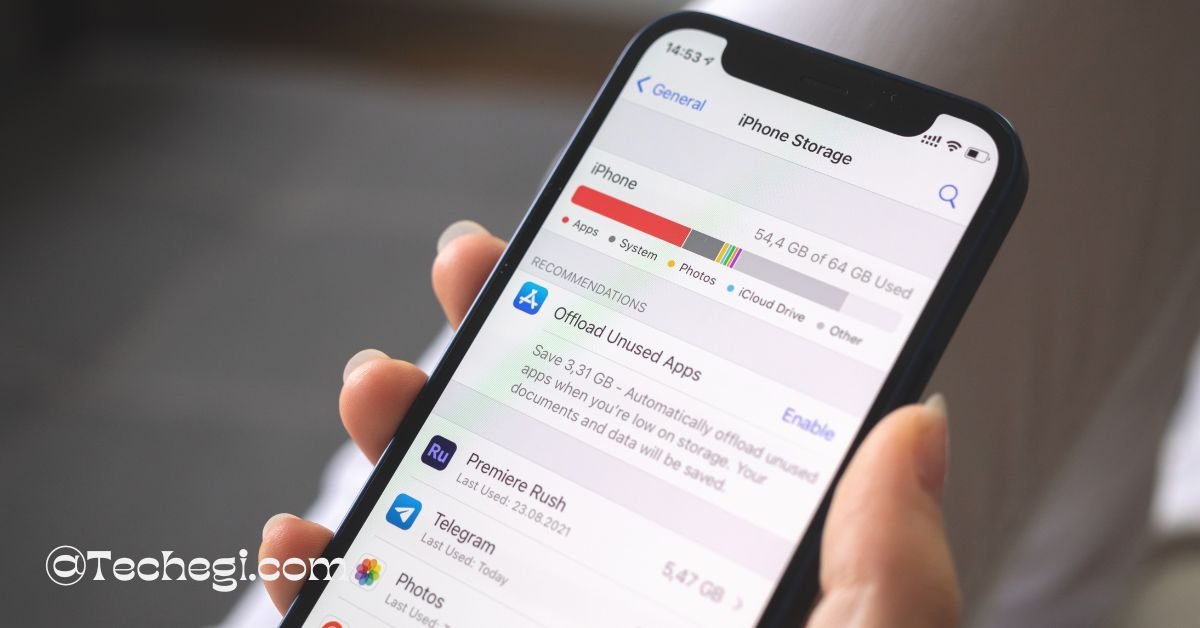
Storage GB refers to the internal memory of your phone. This is where your apps, photos, videos, music, and system files are saved. For example, if your phone has 128GB of storage, that means it can hold a certain amount of content before it becomes full.
Data GB, on the other hand, refers to mobile internet usage. This is the amount of internet data you can use through your mobile network when you are not connected to Wi-Fi. Watching videos, browsing websites, using social media, and downloading files all consume data GB.
Even though both are measured in GB, storage and data serve completely different roles on your phone.
How GB Affects Your Phone’s Storage Capacity
The number of storage GB your phone has directly affects how much content it can store. Apps today are larger than ever, and photos and videos take up more space due to higher quality cameras. A phone with lower storage GB can fill up quickly, especially if you record videos or install many apps.
System files and software updates also take up part of your storage. This means the usable space is always slightly less than the advertised GB. When storage becomes nearly full, phones may slow down, apps may crash, and updates may fail to install. That is why having enough storage GB is important for smooth daily use.
How Mobile Data GB Is Used in Daily Phone Activities
Mobile data GB is consumed whenever your phone uses the internet without Wi-Fi. Simple tasks like checking emails use very little data, while streaming videos or video calling uses much more. Social media apps can also consume a lot of data, especially if videos autoplay in the background.
Navigation apps, cloud backups, and app updates can quietly use data GB without you noticing. This is why some users feel their data runs out faster than expected. Understanding how daily activities consume data helps you manage your usage more effectively and avoid sudden data limits.
How Much GB You Really Need on a Phone
The amount of GB you need depends on how you use your phone. Light users who mostly make calls, send messages, and browse occasionally may be comfortable with lower storage and data limits. Average users who take photos, use social media, and watch videos occasionally usually need more GB to avoid constant cleanup.
Heavy users who record videos, play games, stream content daily, or work from their phones require higher storage and data GB. Choosing the right amount from the start saves frustration and prevents the need to upgrade too soon.
What Happens When You Run Out of GB on Your Phone
When your phone runs out of storage GB, you may no longer be able to install new apps, take photos, or download files. Your phone may also become slower because it lacks free space to operate efficiently.
Running out of data GB usually results in slower internet speeds or additional charges, depending on your mobile plan. Some services may stop working until the data limit resets or you connect to Wi-Fi. Both situations can disrupt daily use, which is why monitoring GB usage is important.
Common Misunderstandings About GB on Smartphones
One common misunderstanding is thinking that higher GB automatically makes a phone faster. While enough storage helps performance, speed mainly depends on the processor and RAM. Another misconception is believing that deleting apps reduces data usage, which is not always true unless those apps actively consume data.
Some users also assume cloud storage does not count toward GB usage, but uploading and downloading files still uses data GB. Clearing up these misunderstandings helps users make better decisions about phone usage and purchases.
How to Check and Manage GB Usage on Your Phone
Most smartphones include built-in tools that show how much storage and data GB you are using. You can usually find this information in the settings under storage or data usage sections. These tools help identify which apps consume the most space or data.
Managing GB usage involves deleting unused apps, clearing unnecessary files, using Wi-Fi when possible, and adjusting background data settings. Simple habits like these can significantly extend both storage and data availability without affecting normal phone use.
Conclusion
Understanding what GB are on a phone is essential for using your device efficiently and avoiding common problems. GB determine how much you can store, how much internet you can use, and how smoothly your phone performs in daily life.
By knowing the difference between storage and data GB, monitoring usage, and choosing the right amount based on your needs, you can enjoy a better and more reliable smartphone experience. A little knowledge about GB goes a long way in making smarter phone decisions.
FAQs
1. What does GB mean on a phone in simple words?
GB means gigabytes, which measure how much storage space or internet data your phone can use for apps, photos, videos, and online activities.
2. Are storage GB and data GB the same thing?
No. Storage GB is the space inside your phone for files and apps, while data GB is the amount of mobile internet you can use.
3. How many GB is good for a smartphone today?
For most users, 128GB storage is comfortable. Data needs vary, but 5GB–10GB per month works well for average use.
4. Why does my phone say storage is full even with high GB?
System files, apps, photos, videos, and cached data slowly fill storage, reducing available free space over time.
5. Does using Wi-Fi reduce GB usage on a phone?
Yes. Wi-Fi does not use mobile data GB, but it still uses storage GB when downloading apps or files.