
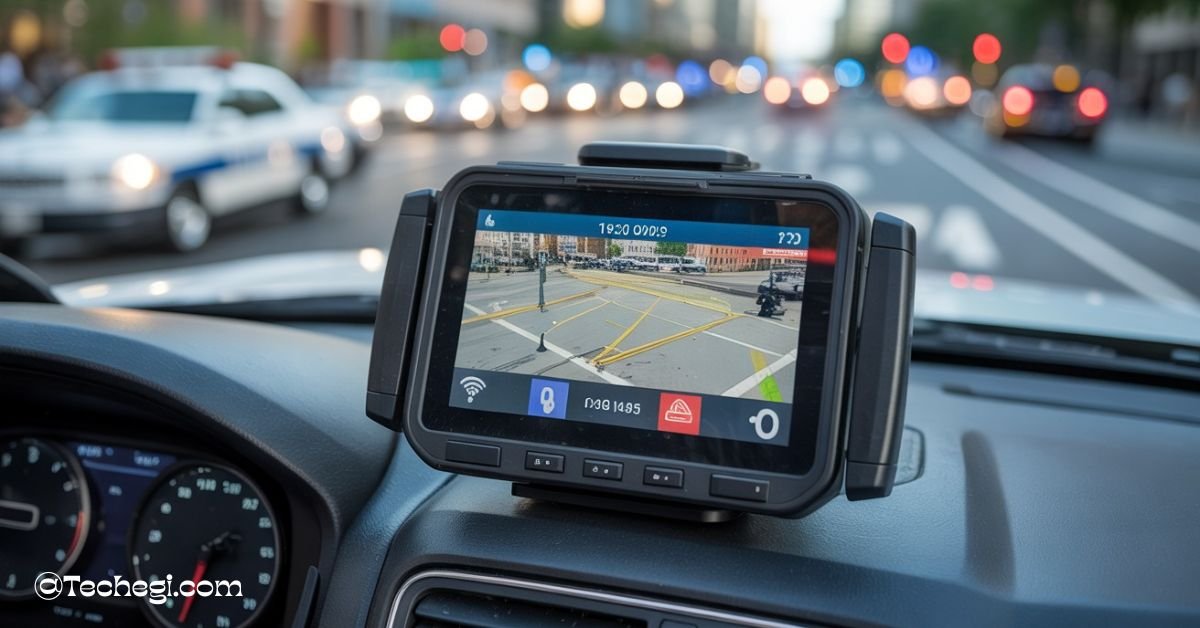
A mobile data terminal is a rugged device used in vehicles or the field to send, receive, and manage real-time data. It helps workers in industries such as transportation, law enforcement, and emergency services stay connected and efficient. With GPS, touchscreen, and wireless features, it improves safety and productivity.
Stay tuned with us as we dive deeper into everything you need to know about the mobile data terminal—from features and benefits to real-world uses across industries. More insights coming soon!
What is a Mobile Data Terminal (MDT)?
A mobile data terminal (MDT) is a compact computer device used in vehicles or by field workers. It helps send, receive, and store real-time data. People in police cars, delivery trucks, or emergency services use it to stay connected without having to return to the office. A mobile data terminal enables users to check maps, communicate with dispatch, and receive work updates quickly.
These devices are robust and designed to withstand rough use. They often come equipped with touchscreens, GPS, and wireless connections, such as Wi-Fi or mobile networks. With a mobile data terminal, teams can work more efficiently, stay safer, and make informed decisions on the go. Many businesses now use mobile data terminals running on Android platforms for flexibility and easy app integration, especially when paired with purpose-built mobile data terminal software.
Key Features of a Mobile Data Terminal
A mobile data terminal comes equipped with features that make it robust, intelligent, and well-suited for demanding tasks. Below are the main features that make these devices useful in the field:
Rugged and Durable Design
A mobile data terminal is designed for demanding work environments. It can withstand dust, water, drops, and high temperatures. These devices are used in trucks, police cars, and outdoor work areas. They continue working even in adverse weather conditions or challenging environments. Many are certified to global standards, such as mobile data terminal HS code classifications for industrial use.
Real-Time Communication
A mobile data terminal helps teams stay in touch. It uses 4G, Wi-Fi, or Bluetooth to send and get updates fast. Workers can communicate with dispatch, share information, or receive new tasks without delay. This saves time and keeps everyone on track.
GPS and Navigation Integration
Most mobile data terminals are equipped with built-in GPS. This shows where vehicles are, gives the best routes, and helps drivers avoid traffic. In jobs like delivery or public safety, GPS helps people arrive faster and save fuel.
Touchscreen Displays
A mobile data terminal has a clear touchscreen. It’s easy to use, even in sunlight. Many screens are compatible with gloves, which is particularly helpful in field work. The screen displays maps, messages, and job information clearly and simply.
Customizable Software Platforms
A mobile data terminal is compatible with various types of software. It can run apps made for delivery, police work, or field service. This means every company can set it up in a way that fits their work. Most run on Android, Windows, or Linux systems. Some even come with pre-installed mobile data terminal apps for fleet and safety management.
Applications of Mobile Data Terminals
A mobile data terminal is used in many fields where people work on the move. These devices help improve speed, safety, and communication. Let’s look at where and how they are used:
Fleet Management in Transportation
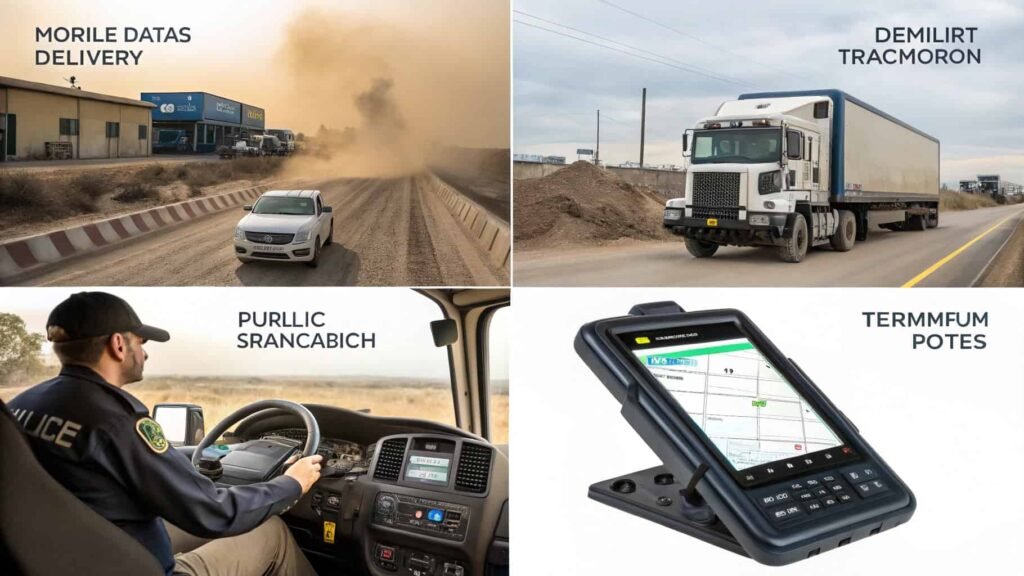
A mobile data terminal enables transportation companies to manage their trucks and drivers effectively. It shows the location of each vehicle, its speed, and the time it has been running. Drivers can check routes, get updates, and stay on time. This helps save fuel, plan better, and avoid delays.
Public Safety and Emergency Services
A mobile data terminal is a key tool for police, fire, and ambulance teams. It gives real-time access to maps, reports, and dispatch messages. It also helps workers talk to the control center without using a radio.
What is the MDT in Police Cars?
In police cars, a mobile data terminal works like a computer. Officers use it to check license plates, look up warrants, and get info on calls. It helps them stay safe and respond fast. The mobile data terminal also allows them to send reports without returning to the station. This type of setup is commonly referred to as a mobile data terminal police system.
Logistics and Supply Chain Management
In warehouses and delivery services, a mobile data terminal tracks packages and inventory. Workers use it to scan barcodes, get delivery info, and update orders. It keeps the supply chain running smoothly with fewer mistakes and delays.
Mining, Agriculture, and Construction Vehicles
These industries use mobile data terminals in heavy equipment. The devices perform well in dusty, hot, and rough environments. Workers use them to get tasks, report progress, and send data to the office. This helps manage big projects and machines more easily.
Public Transport and Taxi Services
A mobile data terminal helps buses, trains, and taxis run on time. It provides drivers with route information, tracks their location, and handles digital tickets. For taxi drivers, it connects them to customers and shows pickup and drop-off points.
What is a Mobile Data Terminal Used For?
A mobile data terminal is used to send, receive, and manage essential data while working in the field. It helps workers stay connected with their team or control centre without needing to return to the office. People use a mobile data terminal to get real-time updates, track vehicles, view maps, and complete tasks faster.
In jobs such as police work, transportation, emergency response, and delivery services, a mobile data terminal enables easy scheduling, route navigation, and information sharing. It helps save time, reduce errors, and keep work moving smoothly.
What is a Portable Data Terminal Used For?
A portable data terminal is a small, handheld device used to collect, send, and manage data while on the move. It works like a mobile data terminal, but it’s lighter and easier to carry. People use it in places like warehouses, retail stores, and delivery services.
With a portable data terminal, workers can scan barcodes, check inventory, and update records right from the job site. It helps speed up tasks, reduce paperwork, and improve accuracy. While a mobile data terminal is often fixed in vehicles, a portable data terminal is designed for use on the go and quick tasks.
Benefits of Using Mobile Data Terminals
A mobile data terminal offers numerous benefits that enable teams to work smarter and faster. These devices improve the way people communicate, manage tasks, and handle information in the field. Here are the top benefits:
Enhanced Productivity
A mobile data terminal helps workers save time by sending updates, job details, and messages instantly. There’s no need to stop work or go back to the office. This keeps everything moving and improves daily workflow.
Improved Accuracy
With a mobile data terminal, there’s less room for human error. Workers can scan items, follow step-by-step tasks, and send real-time data. This ensures that the correct information reaches the right place without errors.
Cost Efficiency
Using a mobile data terminal can help cut costs. It reduces fuel waste with better route planning, lowers repair bills through early alerts, and saves money on paper by keeping everything digital. This adds up to real savings over time. Businesses often compare mobile data terminal prices when choosing a device that offers good features at a low cost.
Increased Safety
A mobile data terminal keeps teams safer. It lets drivers and emergency workers stay focused while receiving updates hands-free. It also helps dispatchers track vehicles and respond quickly in the event of an issue.
Scalability
A mobile data terminal is well-suited for both small teams and large companies. It can connect with different apps and systems as a business grows. This makes it easy to expand operations without having to start over.
How to Choose the Right Mobile Data Terminal
Choosing the right mobile data terminal depends on your job needs and work environment. Not all devices are the same, so it’s important to look for key features that match your tasks. Here’s what to check before buying:
Rugged Design
Pick a mobile data terminal that can handle harsh conditions. It should resist dust, water, drops, and extreme weather, especially if used in trucks, outdoor sites, or emergency vehicles.
Strong Connectivity
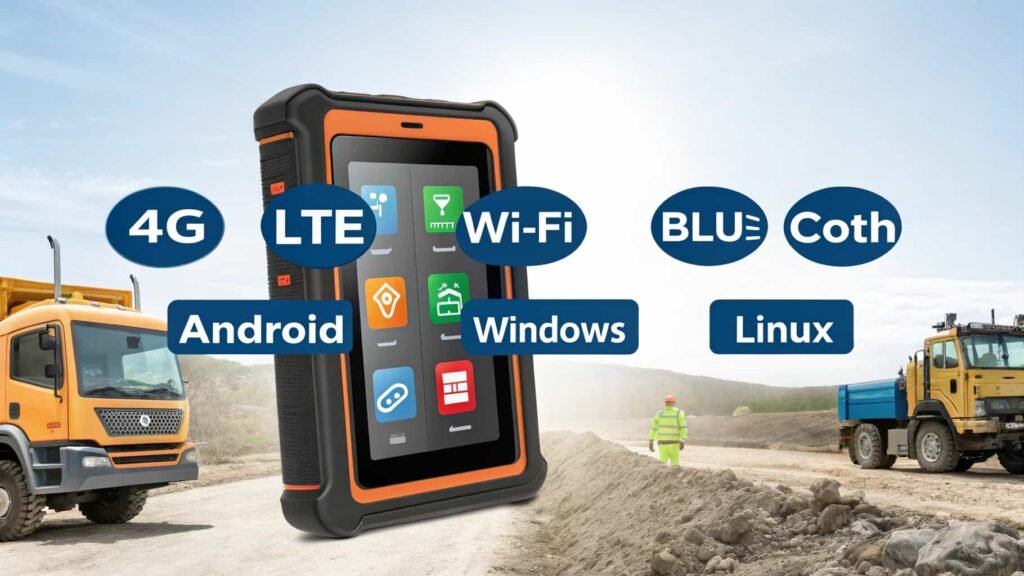
A good mobile data terminal should support 4G LTE, Wi-Fi, and Bluetooth. This ensures it stays connected in the field, allowing updates and messages to be sent without delay.
Long Battery Life
Look for a mobile data terminal with a powerful battery. Long-lasting power means no shutdowns during long shifts or outdoor jobs.
Clear Touchscreen
The screen should be bright and easy to see, even in sunlight. A mobile data terminal with a touchscreen makes it easy to read maps, messages, and job details quickly.
Compatible Operating System
Select a mobile data terminal that is compatible with Android, Windows, or Linux. This makes it easier to run the apps you already use and helps with future updates.
FAQ’s
1. Can a mobile data terminal be used without an internet connection?
Yes, a mobile data terminal can still work offline for specific tasks like storing job details, using offline maps, or scanning items. However, for live updates and real-time communication, an internet or cellular connection is required.
2. What industries benefit most from using a mobile data terminal?
Industries like public safety, transportation, logistics, construction, and field services benefit the most. A mobile data terminal helps teams stay connected, share data instantly, and improve response times in these fast-moving environments.
3. How is a mobile data terminal different from a smartphone or tablet?
A mobile data terminal is more rugged and built for heavy use. Unlike regular smartphones or tablets, it often comes with special software, strong casing, vehicle mounts, and longer battery life, making it ideal for harsh job conditions.
4. Are mobile data terminals customisable for different business needs?
Yes, many mobile data terminals can be customised with different apps, software, and hardware add-ons. This enables companies to tailor the device for tasks such as delivery tracking, police reporting, or equipment monitoring.
5. How secure is the data on a mobile data terminal?
Most mobile data terminals come with advanced security features like user authentication, encrypted connections, and remote access control. This ensures sensitive information remains secure, particularly for emergency services and government use.
Conclusion
A mobile data terminal is more than just a tool — it’s a smart solution for fast-moving industries. Whether used in transportation, public safety, logistics, or construction, it enables teams to stay connected, share real-time data, and make informed decisions in the field.
With features such as GPS, wireless communication, a rugged design, and easy software integration, a mobile data terminal enhances productivity, accuracy, and safety. It replaces slow manual tasks with quick digital updates, helping businesses save time and reduce costs.
In today’s competitive world, having a mobile data terminal is no longer optional — it’s essential for staying ahead, working smarter, and growing with confidence.
Also read:
- International Credit Mobility: A Global Guide to Opportunities!
- Are Mobile Homes Cheaper Than Apartments? Truth Revealed!
- T-Mobile Layoffs: What You Need to Know in 2025!