
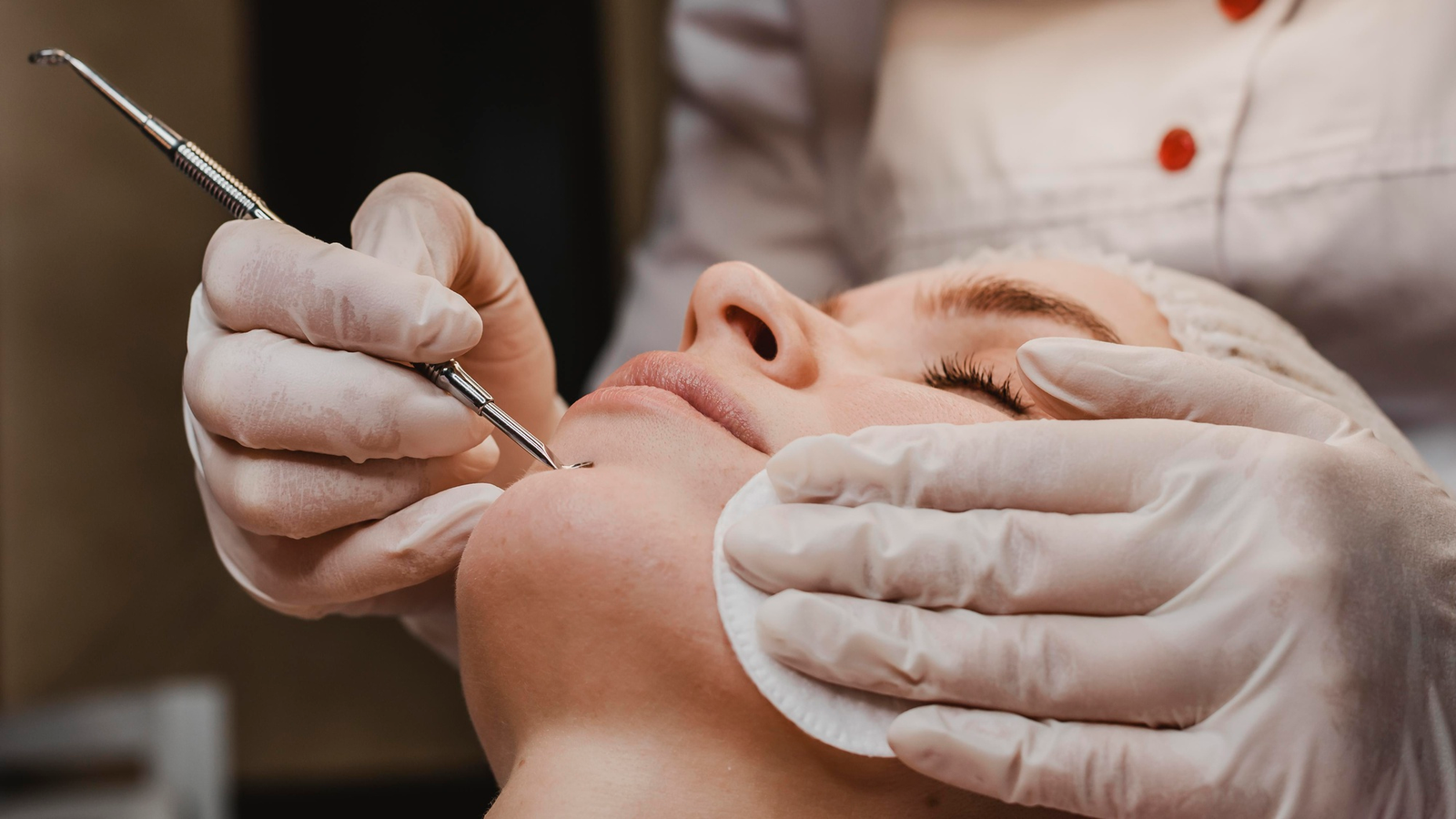
Acne is a common skin problem for both men and women. With technological advancement, there has been a noteworthy improvement in its treatment procedures.
Acne is one of the most common dermatological issues, especially experienced by teens and adults. According to a report, the UK ranks eighth among countries with highest prevalence and 14.65% of adolescents are diagnosed with this issue. From searching for the best skin care products for acne in the UK to visiting a dermatologist for any proper treatment, people rely on different ways to get rid of this skin problem.
The skin treatment ground in the United Kingdom has witnessed a shift in this ongoing decade. From new tools to evidence-based practices, clinicians are adopting the next-level treatments. In this article, we will talk about some expert-backed acne treatment trends in the UK clinics.
Treating Acne in the UK: Top Expert-Backed Treatment Trends
The beauty world moves quickly. Just when you will realise that you have mastered a trend, a new innovation wave sweeps through. Let’s talk about the six expert-backed acne treatment trends in the UK.
1. Acne Treatment via AI-Assisted Skin Mapping
After showing its magic in numerous grounds, Artificial Intelligence has contributed to acne treatment. AI and imaging algorithms consider deep learning (Vision Transformers, CNNs, etc.) to understand lesion types (papules, scars, comedones, etc.). The counts and features are combined to understand the severity of acne.
The integration of AI in acne treatment offers adequate data related to your facial skin condition. Based on this, doctors can create personalised treatment plans. For example, exosome treatment for acne is recommended when you experience acne scars, pigmentation, and uneven texture. AI models detect patterns accurately in facial acne images, thereby adopting the best possible treatment.
2. Microbiome-Targeted Therapies
Often, people end up relying on antibiotics while finding the best skin care products for acne in the UK. This makes microbiome-targeted therapies a trend in British dermatology clinics. Some of the fundamental therapies are oral probiotics, postbiotics, prebiotics, bacteriophages, etc.
What makes microbiome-targeted therapies a preference is that they emphasise on restoring the microbial balance of the skin. This minimises inflammation while promoting beneficial microbes (like Cutibacterium acnes strain). Because of better safety profiles and high patient satisfaction, this trend is getting priority in the UK.
3. Low-Dose Retinoid Personalisation
Nowadays, dermatologists are considering smarter retinoid use for improved tolerability. This makes low-dose retinoid personalisation a trend, which is effective for mild to moderate acne. Acne causes irritation and the stated trend is significant in dealing with it. To proceed with fine-tuning retinoid therapy, the preferred type (tazarotene, adapalene, tretinoin, etc.) and strength are chosen based on individual skin profiles.
While curating a tailored treatment plan, dermatologists opt for either low-dose oral isotretinoin or low frequency topical retinoids. The main goal is to enhance efficacy while lowering side effects. Well, low-dose regimens need longer treatment durations. This lowers the risk of relapse.
4. Combination Regimens with Non-Antibiotic Actives
Do you want to avoid antibiotics for acne treatment? If so, there is a scope for prioritising non-antibiotics to obtain the desired result. Presently, combination regimens are becoming a trend. Like, a combination of Benzoyl peroxide, azelaic acid and niacinamide is effective in achieving superior results by targeting acne and pigmentation by attacking bacteria.
Non-antibiotic activities accelerate cell turnover, thereby normalising keratinisation. This helps in reducing inflammation. With antibacterial properties, non-antibiotic activities target the key factors of acne pathophysiology. This is often combined with skincare routines.
5. Therapeutic Device Integration
Along with regenerative treatments like exosome treatment, acne is also treated by using therapeutic devices. The adoption of such devices in acne treatment has acknowledged energy-based and minimally invasive technologies. Let’s understand therapeutic devices and technologies.
| Therapeutic device and technology | Acne treatment process |
| Light-based therapies (LED/IPL) | Targeting bacterial porphyrins (blue light) and offering deeper penetration to target sebaceous glands (red light) |
| Microneedle Radiofrequency (MNRF) | Creating micro-injuries with RF energy for heating the dermis, thereby stimulating collagen |
| Laser Therapy | Thermal coagulation of sebaceous lobules and lowering inflammatory lesions |
| Photo-thermal Therapy (PTT) | Targeting and disrupting sebaceous glands |
Table 1: Therapeutic devices for acne management
Often, UK clinics prefer multimodal therapy for better treatment outcomes. They combine in-clinic devices with prescription-only skincare and oral medications to ensure quicker and more sustainable outcomes.
6. Digital Dermacasualty & Tele-Follow-Ups
Being a technologically advanced country, dermatologists easily provide ongoing support beyond clinic visits. Acne management requires patient-preferred solutions. Here, tele-follow-ups have been an effective consideration.
Acne treatment is also done remotely, and this has been a trend. Patients upload high-resolution photos of their skin in any site or application and these are reviewed by dermatologists to offer tailor-made treatment solutions. With digital dermacasualty, patients can get acne treated without visiting a clinic.
How UK Clinics Personalise Acne Care?
Personalisation has been a key consideration in treating acne in 2026. Here are the common considerations of the British clinics regarding the preparation of personalised acne care.
- Patient segmentation (Based on age, skin type and severity)
- In-depth initial consultations
- Custom formulations and multi-phase plans
- Outcome tracking
To Conclude
Acne has remained a prevalent skin condition among adults and teens. There has been a shift towards acne treatment in the United Kingdom towards evidence-based practices and minimally-invasive procedures. The key trends are acne treatment via AI-assisted skin mapping, microbiome-targeted therapies, low-dose retinoid personalisation, etc.
Planning to Obtain Personalised Acne Treatment?
Choose a reputable skin treatment clinic in the UK that offers a range of treatment options for acne. Obtain an initial consultation, and understand the right therapy for you. Get your skin disease treated quickly and in the right manner.