
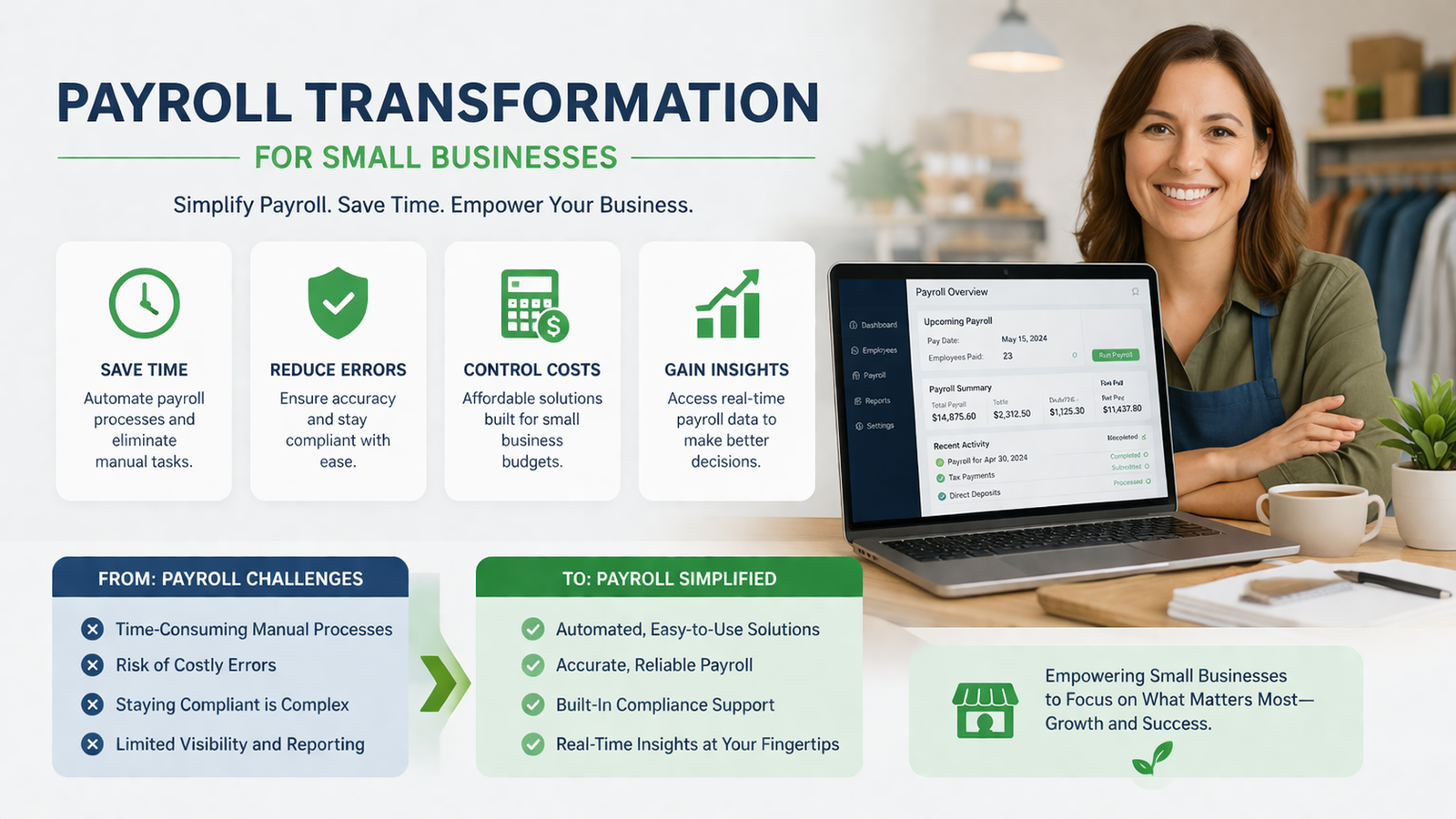
Managing payroll is often one of the most challenging administrative tasks for small business owners. When processes are outdated or overly complex, payroll can consume valuable time and create unnecessary risks. By adopting a small business payroll solution, owners can significantly reduce their administrative burden while ensuring employees are paid accurately and on schedule. Streamlining payroll not only improves operations but also enhances employee satisfaction and keeps businesses ahead during periods of regulatory change. As the business landscape evolves, regulatory requirements and employee expectations continue to increase. Small businesses that set up efficient payroll systems are better able to ensure compliance, reduce costs, and foster a positive work environment. Automating payroll, maintaining up-to-date records, and staying compliant with dynamic tax regulations are all foundational to resilience and growth. Entrepreneurs who invest in modern systems and ongoing process improvements can build a stronger, more agile foundation for future success.
For many small companies, organizing payroll is about more than ticking boxes for tax and compliance. As employees seek greater transparency, timely payments, and digital convenience, businesses that keep up with the latest payroll trends can remain attractive to top talent and operate more efficiently. Leveraging tools that automate complex calculations and record-keeping also allows owners and managers to focus on the core mission of growing their business. Critically, the right processes can help small businesses avoid costly errors and penalties. Whether integrating payroll with accounting systems or using self-service tools, regularly refining payroll strategies for small businesses is necessary to stay competitive and compliant in today’s landscape.
The Importance of Streamlined Payroll
Efficient payroll management is essential to the long-term success of a small business. A reliable payroll framework ensures employees are consistently paid correctly and on time, supporting overall job satisfaction and retention. Payroll errors or late payments can negatively impact morale and productivity, leading to dissatisfaction and possible turnover. Moreover, streamlined payroll processes allow owners and administrative staff to devote more energy to growth and innovation rather than getting bogged down by repetitive paperwork.
Efficient payroll management is not only about paying employees. It also involves reducing administrative burdens, improving regulatory compliance, and minimizing the risk of costly financial mistakes. As regulations change, businesses with automated, streamlined payroll systems can adapt more easily and withstand external pressures.
Benefits of Automating Payroll
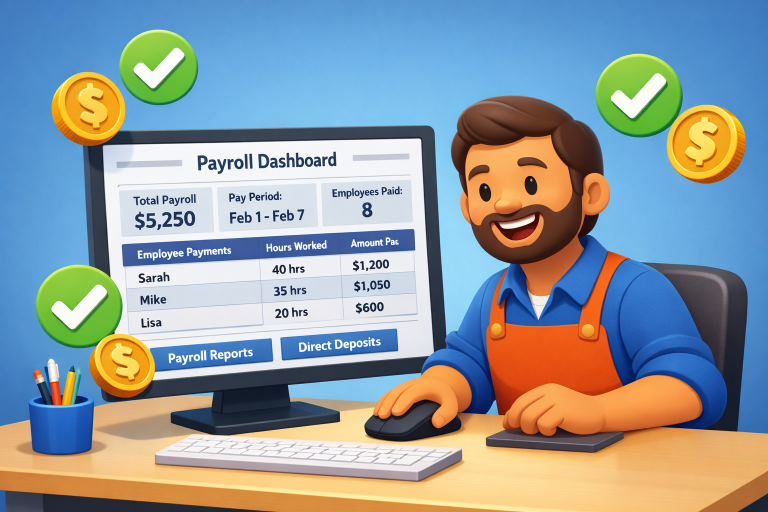
Automating payroll processes leads to greater accuracy and time savings. By switching from paper forms and spreadsheets to a comprehensive payroll software platform, employers can eliminate manual data entry and calculation errors. Payroll automation reduces the need to manually track wage rates, tax deductions, and overtime calculations, enabling businesses to operate more efficiently.
- Time Savings: Automation drastically cuts the number of hours spent managing payroll each week by centralizing all related tasks in one system.
- Error Reduction: Integrated software helps avoid mistakes that can lead to wage disputes or compliance issues.
- Up-to-date Compliance: Payroll providers often update their systems in real time as laws and regulations change, helping businesses avoid costly errors related to tax filings and reporting.
Cloud-based payroll and HR tools have become increasingly popular for their ability to simplify administrative complexity and offer remote access to payroll data. For more on the advantages and adoption rates among small businesses, see recent coverage from TechRadar.
Maintaining Accurate Employee Records
Thorough and accurate employee records are foundational to effective payroll management. Companies should maintain robust records of each employee’s hours worked, overtime, benefits participation, and all wage deductions. These records play a vital role in payroll audits and protect the business in the event of compensation disputes. Furthermore, complete documentation makes it easier to ensure compliance with labor laws and provides clear evidence in case of regulatory inspections. Digital payroll solutions make it significantly easier to keep these records up to date and securely stored. When employees work irregular hours, or if a business employs part-time and seasonal staff, accurate time-tracking and record-keeping systems are indispensable.
Staying Compliant with Tax Regulations
Compliance with payroll tax regulations is a moving target, as federal, state, and local rules are routinely updated. Businesses must keep up with changes to tax rates, new withholding requirements, and mandatory reporting standards. Failure to do so can result in hefty fines, penalties, and even legal action. Many small businesses turn to payroll professionals or dedicated payroll services to ensure compliance with the latest tax laws. According to the IRS Small Business and Self-Employed Resource Center, keeping up to date with employment taxes is one of the most common areas where small businesses make avoidable mistakes. Utilizing external payroll services adds a layer of oversight, as these providers often offer guarantees of compliance support and regulatory advice.
Adopting Modern Payment Methods
Modern payment options, such as direct deposit, instant payments, and digital wallets, are quickly replacing outdated paper checks. Employees increasingly expect fast, reliable, and transparent payroll solutions. Offering digital payment choices can streamline the process on both ends. These methods not only improve employee satisfaction but also simplify reconciliation for the business and enhance cash flow oversight.
Integration with Broader Business Systems
When payroll is integrated with accounting, HR management, and benefits administration, data flows more smoothly across the business. Integrated solutions minimize the risk of duplication or data entry errors and improve reporting accuracy.
Regularly Refining Payroll Strategies
Small business payroll needs are dynamic and should be reviewed regularly. Gathering team feedback helps leaders identify challenges and opportunities for improvement. New technologies, services, and payment platforms are frequently introduced, offering tools that further simplify payroll administration. Integrating payroll with other digital systems, such as benefits management or financial software, can enhance overall business oversight and agility. Constantly refining payroll strategies allows small businesses to remain compliant, reduce stress, and support positive employee experiences in a competitive marketplace. As regulations and workforce expectations evolve, ongoing updates to payroll systems help businesses adapt and succeed. Streamlining payroll processes ultimately fosters a reliable, compliant, and productive workplace. This positions small businesses for ongoing growth and success in a complex and rapidly changing business environment.
Conclusion: Building a Smarter Payroll System for Long-Term Success
Effective payroll management is more than a routine administrative function, as it is a critical driver of accuracy, compliance, and employee satisfaction. By embracing automation, maintaining precise employee records, and staying current with evolving tax regulations, small businesses can significantly reduce risks and operational inefficiencies. Modern payment solutions and self-service tools further streamline processes, empowering both employers and employees with greater transparency and convenience. Ultimately, the most successful small teams are those that treat payroll as an evolving system rather than a fixed task. Regularly refining payroll strategies ensures businesses remain agile, compliant, and prepared for change. With the right approach and tools in place, payroll can shift from a time-consuming burden to a strategic advantage that supports sustainable growth.