
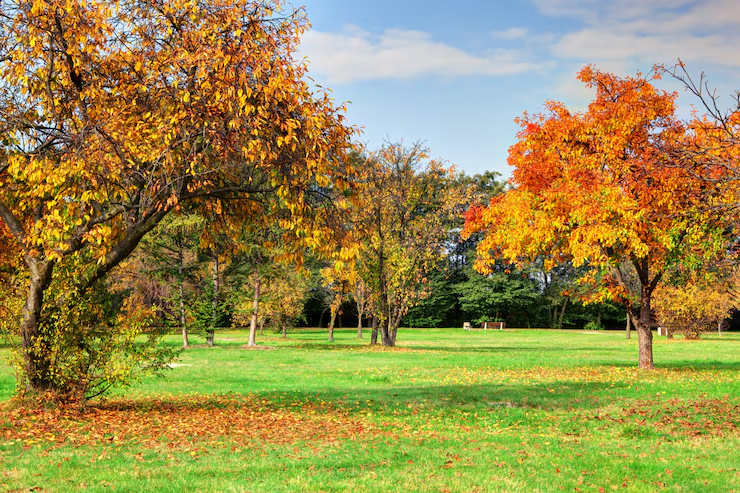
As the crisp air of late September rolls in and the vibrant greens of summer transition into a fiery palette of amber and gold, the aesthetic shift signals more than just sweater weather. It’s a seasonal transition that demands a proactive approach to home maintenance. While the falling foliage creates a picturesque backdrop for morning coffees, those same leaves are the primary culprits behind some of the most common – and expensive – home repairs seen in the winter. Mastering the art of the seasonal transition is about more than just curb appeal; it’s about fortifying your home against the elements before the first frost settles in.
The Foundation of a Healthy Landscape
Maintaining a tidy yard in autumn is the cornerstone of a successful spring garden, as organic debris left to rot on the turf can lead to significant issues. When layers of damp leaves are allowed to mat down over your lawn, they create a suffocating barrier that blocks sunlight and traps moisture against the grass blades.
The Art of the Mulch
Instead of spending every weekend bagging leaves for the curb, consider the ecological benefits of mulching. Using a mulching mower to break leaves into dime-sized pieces allows nutrients to return directly to the soil. These tiny fragments settle between the blades of grass, decomposing quickly and providing a natural fertilizer that strengthens root systems for the dormant months ahead.
Strategic Raking and Composting
If your leaf fall is too heavy for mulching, strategic raking is the next best line of defense. Focus on clearing high-traffic areas and the perimeter of your home where damp piles can attract pests or cause wood rot on siding. Transitioning these leaves to a compost pile turns “waste” into “black gold,” creating a nutrient-dense amendment you can use in your flower beds come April.
Fortifying the Perimeter: Gutter Health and Drainage
Once the lawn is addressed, the focus must shift upward to the most critical component of your home’s water management system. Clogged gutters are more than just a nuisance; they are the leading cause of basement flooding and foundation erosion during heavy autumn rains.
Clearing the Path for Rainfall
It is essential to ensure that downspouts are directing water at least five to ten feet away from your home’s foundation to prevent hydrostatic pressure buildup. According to 619 Roofing, failing to clear debris from your gutters before the rainy season can lead to “ice damming,” where trapped water freezes under shingles and causes significant roof leaks. Regular inspections and cleanings ensure that your home’s “drainage veins” remain open and functional, protecting the structural integrity of your roofline.
Installing Gutter Guards
For homeowners surrounded by deciduous trees, manual cleaning can feel like a never-ending battle. Installing high-quality gutter guards can significantly reduce the frequency of cleanings. While they aren’t entirely “set it and forget it,” they act as a primary filter, allowing water to pass through while shedding the bulk of the foliage that typically causes blockages.
Preparing the Greenery for Dormancy
Beyond the cleanup of debris, your living landscape requires specific attention to ensure it survives the harsh winter temperatures. This period of “hardening off” is vital for the longevity of your perennials, shrubs, and trees.
Pruning with Purpose
Fall is the ideal time to remove dead, diseased, or damaged branches that could potentially snap under the weight of winter snow or ice. However, be cautious not to over-prune spring-flowering shrubs, as you may inadvertently cut off next year’s buds. Aim for a “clean-up” prune rather than a structural overhaul, focusing on safety and plant health rather than aesthetic shaping.
Protecting Sensitive Species
Many ornamental plants and young trees lack the bark thickness to withstand deep freezes or the drying effects of winter winds. Applying a thick layer of wood mulch – about two to three inches – around the base of these plants helps regulate soil temperature and retain moisture. For particularly delicate species, consider burlap wraps to prevent “winter burn,” a condition where the plant loses moisture faster than it can be replaced.
The Often-Overlooked Exterior Checklist
A truly smart seasonal cleanup extends beyond the plants and gutters to the hardscapes and mechanical systems that keep your home running. Neglecting these areas can lead to burst pipes and cracked masonry that are difficult to repair mid-winter.
Winterizing Outdoor Plumbing
Water expands when it freezes, and a small amount of trapped liquid in an outdoor spigot can lead to a burst pipe inside your walls. Disconnect all garden hoses, drain them completely, and store them in a garage or shed. If your home isn’t equipped with frost-free hose bibs, be sure to shut off the water supply to the outdoor faucets and drain the remaining line.
Prevent Cracks and Drafts Around Your Home
Inspect your driveway, walkways, and the perimeter of your home for cracks. Any gap wider than a nickel should be filled with an appropriate masonry sealant. Moisture that seeps into these cracks and then freezes will expand, widening the gap and leading to costly structural damage over time. Similarly, checking the weatherstripping around doors and windows ensures your heating system isn’t working overtime to combat drafts.
Tools of the Trade: Efficiency Matters
The difference between a weekend-long chore and a manageable task often comes down to having the right equipment on hand. Investing in quality tools not only saves time but also reduces the physical strain associated with seasonal labor.
- High-Volume Leaf Blowers: For larger properties, a gas or high-voltage electric blower is indispensable for moving mass amounts of debris quickly.
- Ergonomic Rakes: Look for designs that reduce back strain and have tines that won’t clog easily.
- Telescoping Gutter Wands: These allow you to flush out gutters from the safety of the ground, minimizing the time spent on a ladder.
- Heavy-Duty Debris Bags: Choose reinforced, puncture-resistant bags to avoid the frustration of a mid-carry spill.
Conclusion: The Long-Term Reward
While the process of autumn cleanup can feel like a daunting task, it is an investment in the longevity and value of your home. By taking the time to address the lawn, gutters, and exterior structures now, you are preventing the “snowball effect” of damage that often occurs during the winter months. A well-prepared home allows you to enjoy the coming snow with peace of mind, knowing that when the thaw finally arrives, your property will be ready to bloom once again.